
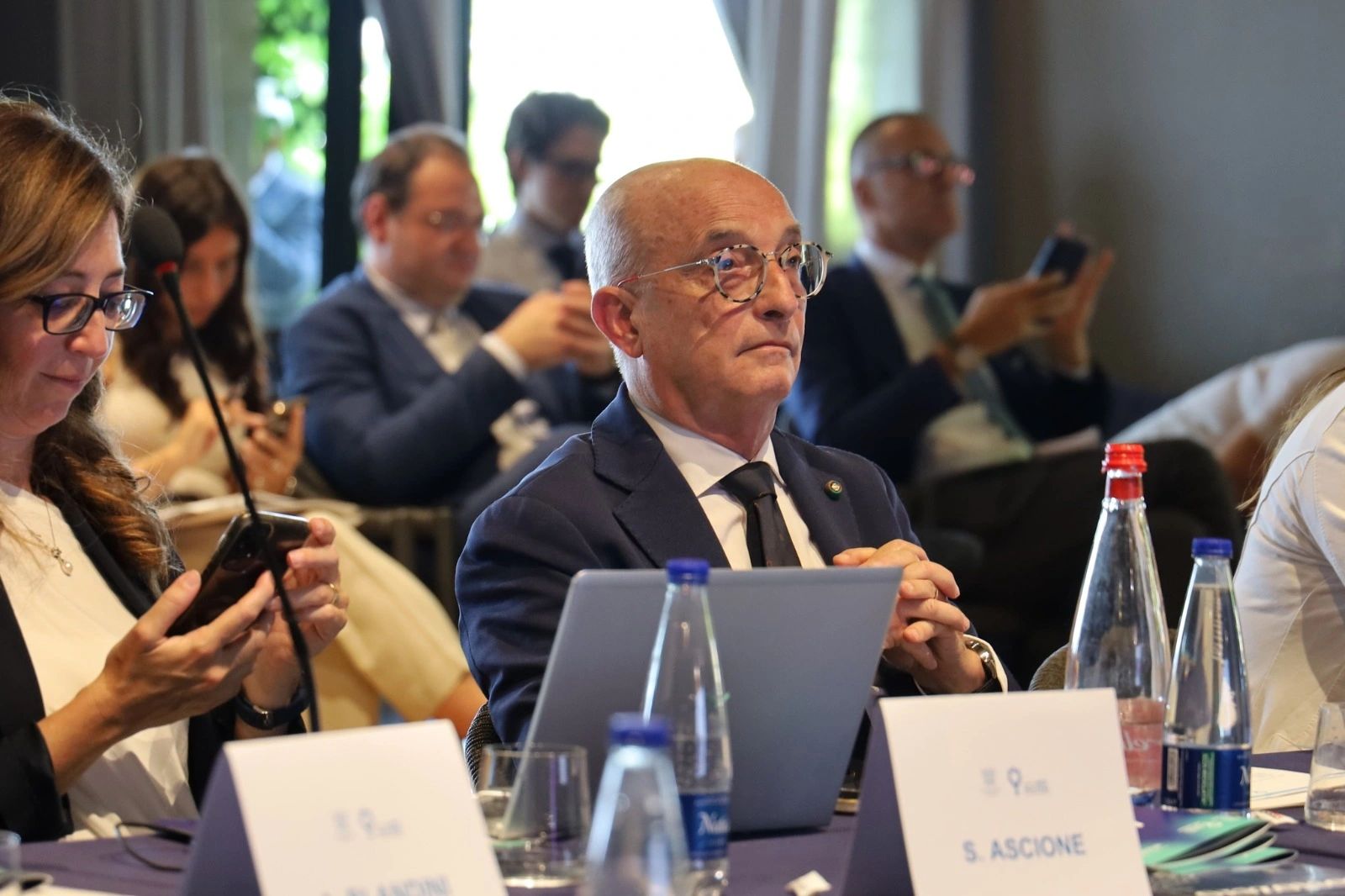
Interview with Prof. Luigi Carrino, President of the Campania Aerospace District (DAC)
- Can you share with us a few words about your network organisation Campania Aerospace District and its role in Campania and Europe? How does your organisation distinguish itself from other aerospace districts and where would you see your strengths.
DAC was established in 2012 as a non-profit private consortium bringing together large companies, SMEs, universities, and research centers. Its core mission is to drive technological development at the industrial level, leveraging the strengths of the regional research ecosystem. After two capital-increase rounds, DAC has become the most highly capitalized industrial cluster in Italy, now counting 170 members and representing the majority of the regional aerospace ecosystem.
As a founding member of the National Technological Aerospace Cluster (CTNA), the European Aerospace Cluster Partnership (EACP), and the Global Aerospace Cluster Partnership (GACP), DAC maintains a solid presence within national, European, and global cluster networks, fostering B2B opportunities for its members.
DAC also serves as the primary reference point for the Campania Region in the aerospace sector and as an active node in international networks, delivering significant benefits to its shareholder companies and institutions. One of its key strengths is the ability to act as a single contractual interface for clients and OEMs on behalf of all—or groups of—member SMEs.
- How do you interact and cooperate with the regional government/administration of the Campania Region, and what mechanisms or initiatives support this collaboration?
DAC serves as one of the primary communication channels between the regional aerospace ecosystem and the local government, contributing, among other activities, to the development of the regional Smart Specialization Strategy. It supports the regional administration in implementing several aerospace-related initiatives, including the Memoranda of Cooperation (MOC) with the Clean Aviation and SESAR Joint Undertakings. Notably, Campania is the first European region to have both MoCs in place.
At the same time, DAC stimulates and coordinates the participation of its members in the preparation of project proposals for regional calls, as well as for national and European funding programs.
- You are a forum of space companies, research centres, and SMEs- could you please share with us any information (statistics, etc) on what extend you contributed to the growth of your regional ecosystem in the last years?
In 2024, Campania’s aerospace supply chain demonstrated remarkable performance, generating €880 million in added value—accounting for 58% of Southern Italy and 18% of the national total—and €824 million in exports, representing 70% of Southern Italy and 13% of Italy overall. The sector employs 8,284 people directly, corresponding to 61% of Southern Italy and 21% of Italy. Aerospace has thus become the most significant industrial sector in Campania, with a notable multiplier effect: for every €100 invested locally, more than €94 remain in the region.
Campania is also Italy’s youngest region, with an average age of 43, and the only region where the number of university graduates has increased over the past decade—from 27,000 to over 42,000.
Since its establishment in 2012, DAC has submitted around 100 project proposals worth approximately €350 million. About half of these proposals have successfully been converted into projects, while the remaining are still under evaluation.
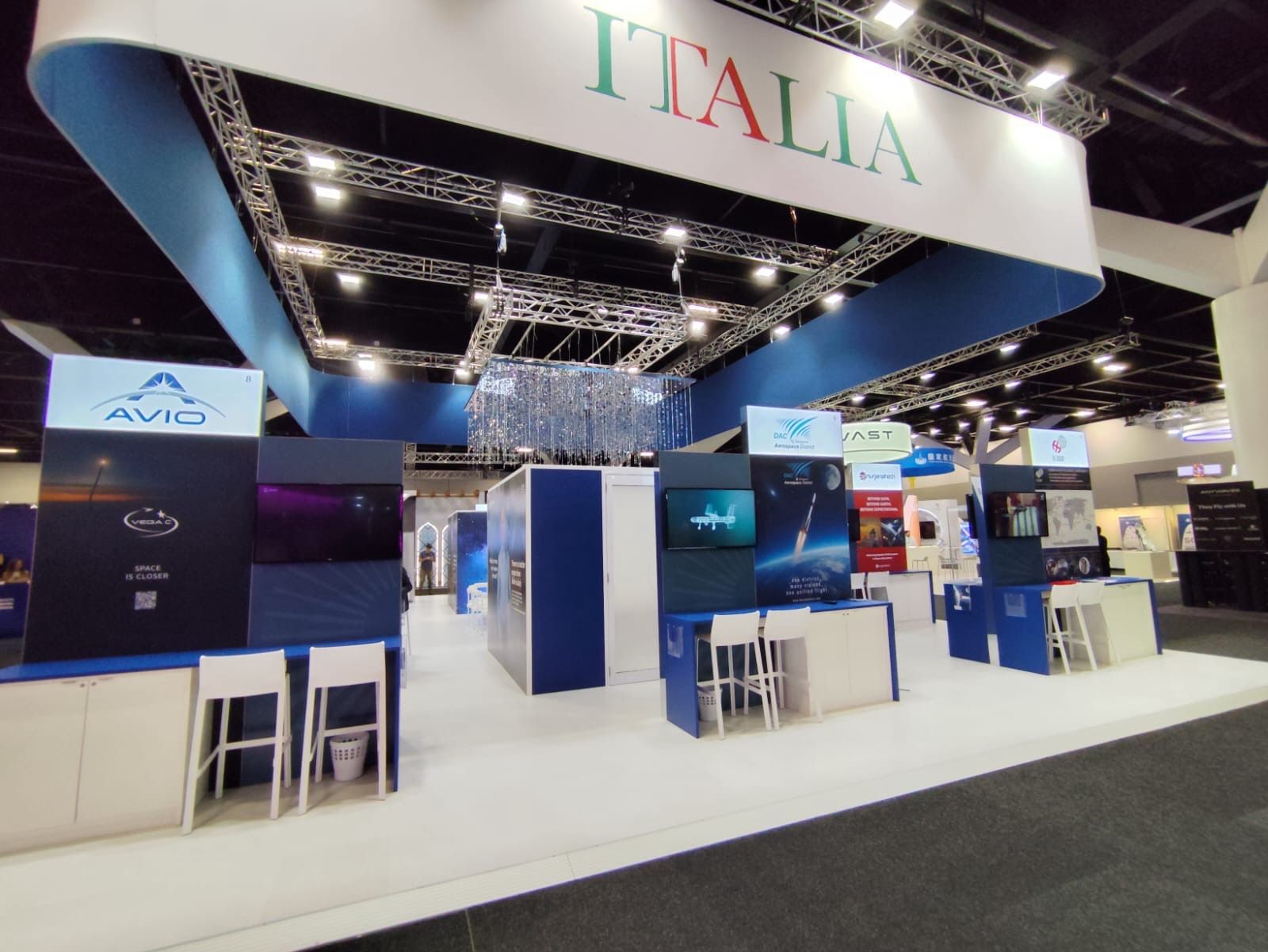
- How do you position the aerospace cluster within the broader regional ecosystem and how do you see its unique strengths.
Aerospace is one of the ten Smart Specialization strategic ecosystems of the Campania Region and is frequently cited as the highest-priority sector. Strong connections exist with other regional clusters, including Transport & Logistics, Agritech, New Materials, Energy & Environment, and Blue Growth.
Campania’s aerospace ecosystem is an attractive investment opportunity, recognized for its stability and its capacity to retain locally generated wealth. The region’s aerospace sector accounts for 20.7% of Italy’s national aerospace workforce—far above the 5.1% share of the overall manufacturing sector. It also represents 13.1% of national sectoral exports, compared to 2.7% for overall manufacturing, and contributes 18.3% of national added value, significantly exceeding the 3.7% share of the overall manufacturing sector.
- According to your experience, how important is the use of space technologies and data in terms of innovation, research and regional development in your territory? What are the specificities of Campania?
Campania occupies a unique position within the Italian and European aerospace landscape, distinguished by several key features.
Leading aerospace hub: The region hosts a dense network of large companies, SMEs, and specialized suppliers across the entire value chain—including aircraft structures, propulsion, materials, UAVs, and increasingly space systems and applications.
Highly specialized industrial base: Campania contributes around 20.7% of Italy’s aerospace ecosystem, far exceeding its 5.1% share of the overall manufacturing sector, reflecting a competitive and highly specialized industrial landscape.
Strong research integration: DAC represents major universities and research centers, such as the University Federico II and CIRA (Italian Aerospace Research Center), as well as several other institutions focusing on materials science, space propulsion, remote sensing, robotics, and AI. Other technology districts in Campania further reinforce this strong knowledge base.
Expansion into space downstream activities: The region is growing beyond traditional aerospace manufacturing into services such as (i) Earth observation for agriculture, environment, and risk management; (ii) satellite navigation applications for smart mobility and logistics; and (iii) data-driven solutions for ports, coastal monitoring, and civil protection.
Retention of generated wealth: Campania benefits from a high permanence of locally generated wealth due to a consolidated supply chain, integrated local research, and long-term industrial roots.
European strategic relevance: Regional actors actively participate in programs such as Copernicus, PRISMA, IRIDE, Horizon Europe, and ESA initiatives, positioning Campania as a key node in the European space ecosystem.
- One of the key activities of NEREUS is to promote cooperation between and within the regions. How do you see the added value of interregional collaborations and partnerships for your activities and for the realization of your projects?
Space is a scientific and business domain that is inherently global. Consequently, the regional spheres of influence of aerospace clusters often overlap, making cooperation between and within regions both natural and necessary. The added value generated through interregional collaboration is widely recognized across Europe and beyond.
DAC is actively engaged in these collaborative networks. As previously mentioned, it is a member of the European Aerospace Cluster Partnership (EACP), the largest European partnership of regional aerospace clusters, and also of the European Network of Defence-related Regions (ENDR), reflecting DAC’s strong commitment to interregional cooperation. Within EACP, DAC works to advance common interests and foster joint projects, which are subsequently submitted to European Commission funding calls.
- Why did you decide to join our Network? Have you had any previous experience with NEREUS?
DAC has decided to join NEREUS to actively contribute to strengthening European cooperation in the space technology sector and to leverage the development and innovation opportunities that membership offers.
Campania has long been a prominent player in the European space sector. DAC, one of Italy’s largest aerospace clusters, brings together leading industrial, academic, and research entities, and has a strong international focus as a long-standing member of the European Aerospace Cluster Partnership (EACP), the Global Aerospace Cluster Partnership (GACP), and the European Network of Defence-related Regions (ENDR). Through these affiliations, DAC collaborates with major organizations and companies on European and global projects, playing an active role in the development of advanced technologies in areas such as smart mobility, defence, Earth observation, and natural resource management.
Several DAC staff members have longstanding experience with NEREUS and have participated in network events both in Italy and across Europe, further strengthening the cluster’s ties to the European space community.
- How would you like to use the NEREUS platform? Are there any activities / projects of great importance to your organization that you wish to share with us?
Joining NEREUS represents a unique opportunity for DAC and its ecosystem to strengthen leadership in space technology innovation and actively contribute to the development of the European space ecosystem. Through this partnership, DAC aims to:
- Contribute expertise to NEREUS: DAC brings the experience of its aerospace ecosystem, with established networks, resources, and R&D capabilities. Its involvement in international projects aligns with NEREUS priorities, including innovations in satellite observation, space-based natural resource management, and civil protection applications.
- Strengthen interregional cooperation: Leveraging its experience in managing complex projects and promoting regional sustainable development, DAC is ready to share best practices, technologies, and concrete solutions to foster growth in the space industry and its applications.
- Increase access to funding and research opportunities: Membership will enable DAC and its ecosystem to engage more directly in European space research and innovation programs, supporting initiatives ranging from applied research to the deployment of innovative solutions, particularly in environmental sustainability and resource management.
- Promote technology transfer and innovation: DAC is positioned to facilitate the transfer and application of space technologies across sectors such as healthcare, mobility, security, and precision agriculture, making space solutions more accessible and relevant to local communities and regional businesses.
- Enhance regional competitiveness: NEREUS membership will strengthen Campania’s international presence in the space industry, attracting investments, talent, and resources, while increasing visibility as a center of excellence in technological and scientific innovation.
- Support sustainable development: DAC is committed to promoting sustainable growth, using space technologies to monitor and manage natural resources and improve citizens’ quality of life.