
NEREUS organised on 19 February 2026 the 20th Infosession of its webinar series, focusing on strengthening education and training in space policy, governance, and regulatory affairs. The discussion took place at a crucial moment, as Europe advances new regulatory instruments such as the EU Space Act, increasing the demand for professionals who understand institutional processes, decision-making structures, and the interaction between EU, national, and regional ecosystems. The session highlighted how education and training are key drivers of regional development and strategic capacity-building in the European space sector.
The session was introduced and moderated by Margarita Chrysaki, NEREUS Communication & Project Officer, who welcomed participants and underlined the importance of equipping regions not only with technical expertise, but also with knowledge in policy, governance, and regulatory affairs. She stressed the need to bring political scientists, legal scholars, engineers, and regional actors together to better understand the implications of Europe’s evolving space framework.
Bridging Academia and Decision-Making in Space Policy
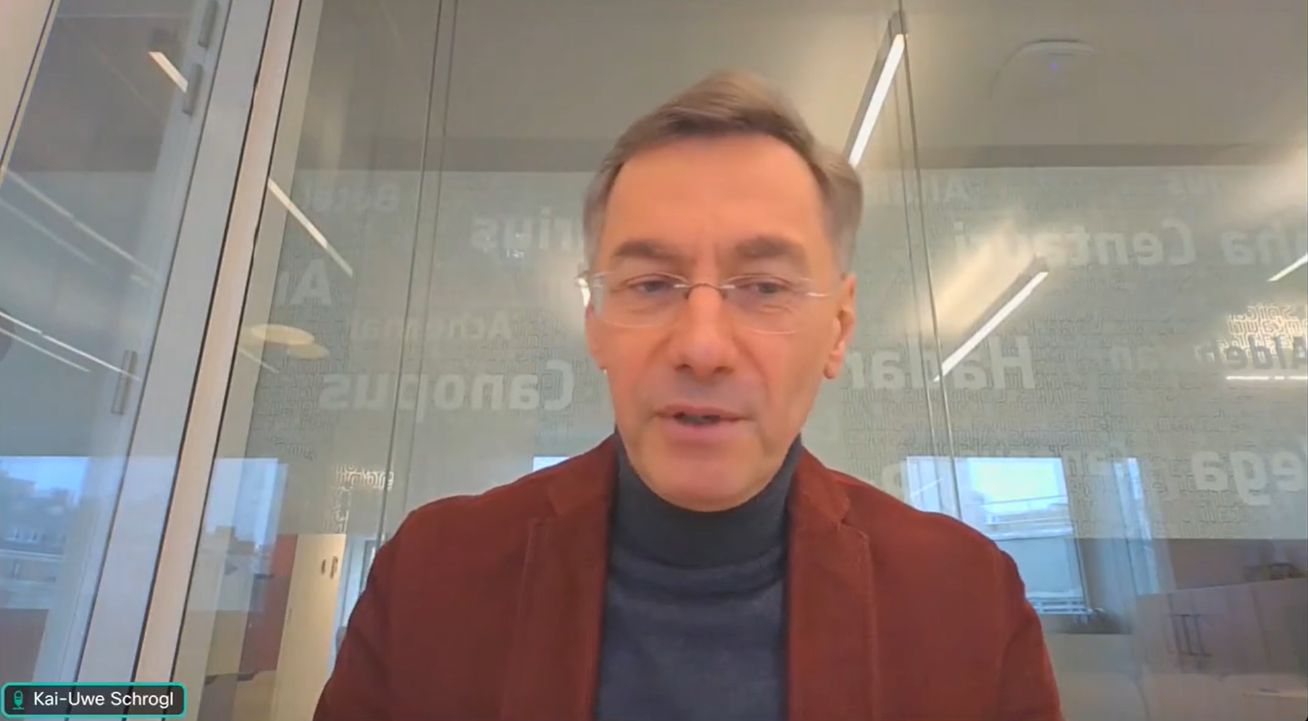
Professor Kai-Uwe Schrogl, ESA Special Adviser for Political Affairs and Professor at the University of Tübingen, opened the discussion by reflecting on his experience across government, ESA, research institutions, and academia. He identified key gaps between how space policy and governance are taught at universities and how decisions are actually made at EU and national levels.
He emphasised that while academic programmes often provide strong theoretical foundations, students need greater exposure to institutional realities, negotiation processes, and multi-level governance structures. Professor Schrogl highlighted the importance of interdisciplinary curricula, practical simulations, and closer cooperation between universities and public institutions to prepare students to navigate complex policy ecosystems.
Drawing on his long-standing involvement in education strategy, including his experience with ESA’s Education Office, he shared best practices in integrating policy-oriented modules into technical programmes. He also encouraged regions within the NEREUS network to develop tailored educational initiatives that connect regional strengths with European policy developments.
Regional Ecosystems and Talent Development

Professor Nicole Viola, Full Professor of Aerospace Systems at Politecnico di Torino and Coordinator of the Aerospace Center IDEAS, addressed the link between universities and regional ecosystems. As Director of international postgraduate programmes, she illustrated how close cooperation between academia, industry, and regional authorities in Turin contributes to building competitive and sustainable aerospace talent.
She explained how interdisciplinary approaches — combining engineering, sustainability, regulation, and innovation management — are increasingly necessary to respond to European priorities. Professor Viola stressed that regional ecosystems play a crucial role in translating European policy objectives into local opportunities, ensuring that talent development aligns with both industrial needs and regulatory evolution.
Strategy, Governance and Power Politics in Space
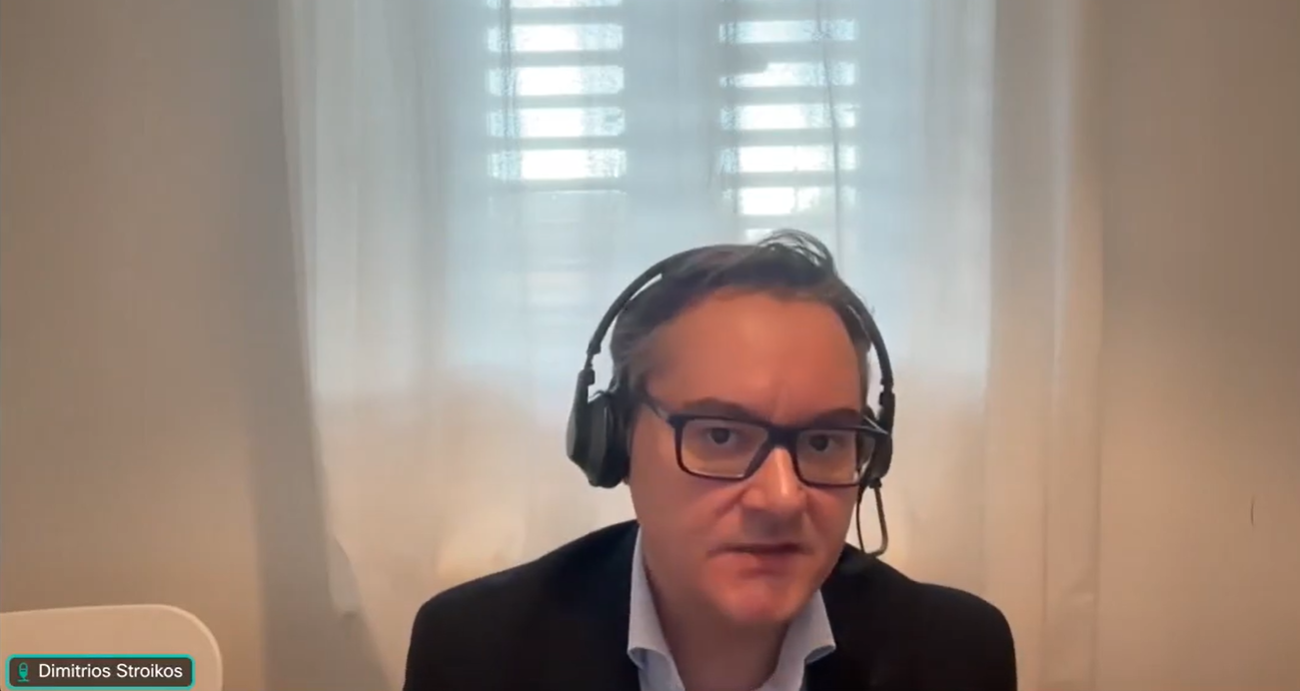
Dr. Dimitrios Stroikos, Marie Skłodowska-Curie Postdoctoral Fellow at the University of Bologna, Head of the LSE IDEAS Space Policy Programme, and Editor-in-Chief of Space Policy, offered a broader strategic perspective.
He addressed the question of whether Europe is training enough experts in strategy, governance, and power politics in space. While acknowledging Europe’s excellence in engineering education, he argued that greater investment is needed in political science, international relations, and regulatory expertise related to space. He highlighted the growing geopolitical dimension of space activities and the need to understand how European initiatives, including the EU Space Act, shape global power dynamics and institutional competition.
Dr. Stroikos called for stronger integration between political science and space studies, encouraging universities to foster cross-disciplinary collaboration and develop programmes that analyse the strategic impact of the EU space agenda.
Common Reflections: Integrating Governance into Curricula
In the concluding discussion, speakers addressed how universities can meaningfully integrate space policy, governance, and regulatory affairs into engineering, economics, and legal programmes without overloading curricula.
Key recommendations included:
-
Embedding policy modules within existing technical courses
-
Developing joint degrees and interdisciplinary tracks
-
Strengthening partnerships between universities, regional authorities, and EU institutions
-
Institutionalising collaboration across departments rather than relying solely on project-based initiatives
Furthermore, the session reaffirmed NEREUS’ role as a platform bringing together policymakers, academics, regional stakeholders, and young professionals to address the evolving governance landscape of the European space sector.
Watch here the full discussion: