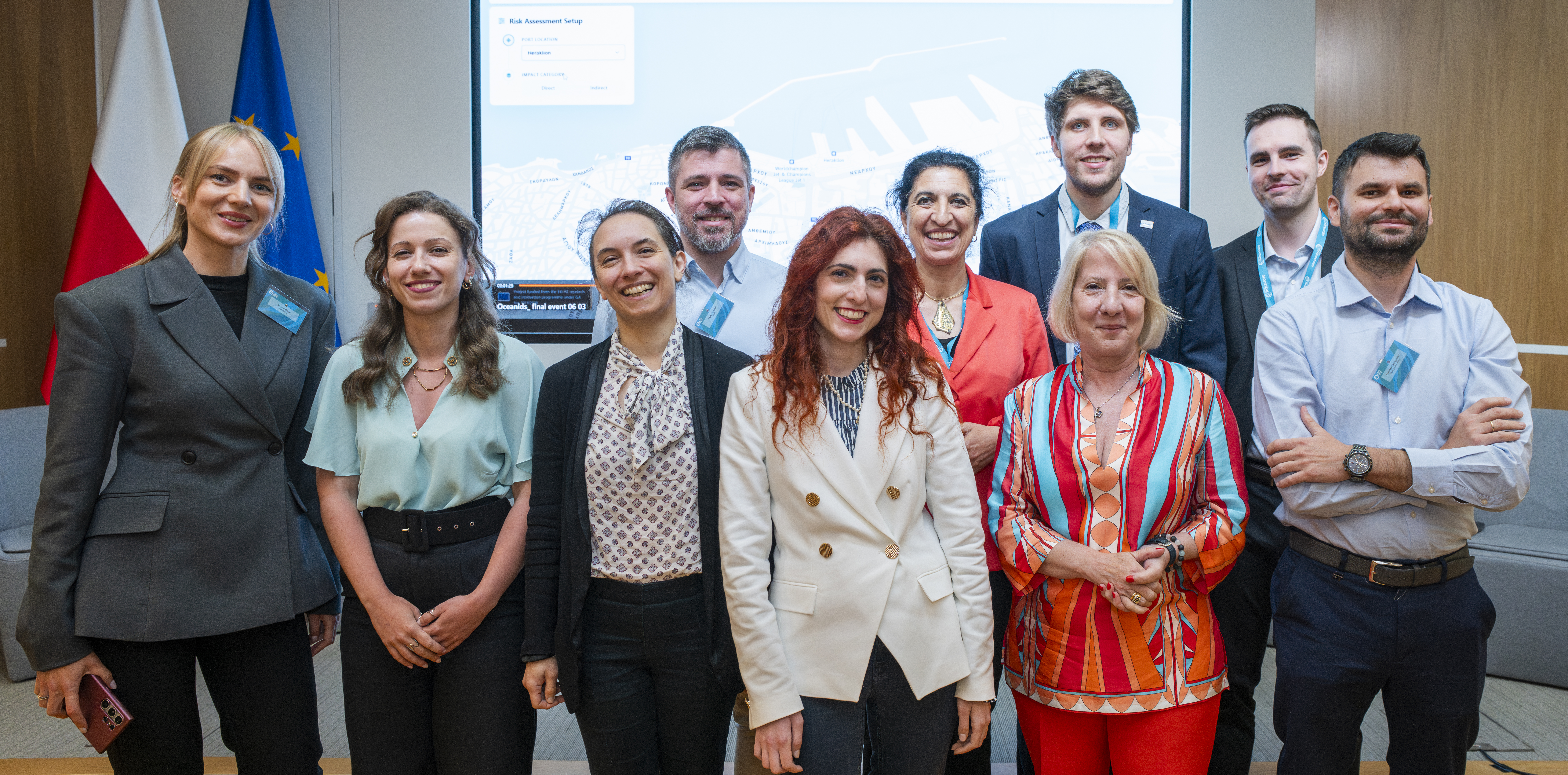
On 9 June 2026, NEREUS and the OCEANIDS consortium organised the conference “Shaping the Future of Resilient and Inclusive Coastal Societies through EU Cooperation” at the Permanent Representation of the Republic of Poland to the European Union in Brussels. The event aimed at showcasing the OCEANIDS platform at the EU level and engaging key policy stakeholders, including port authorities and industry representatives, in discussions on advancing and strengthening the EU Blue Economy.
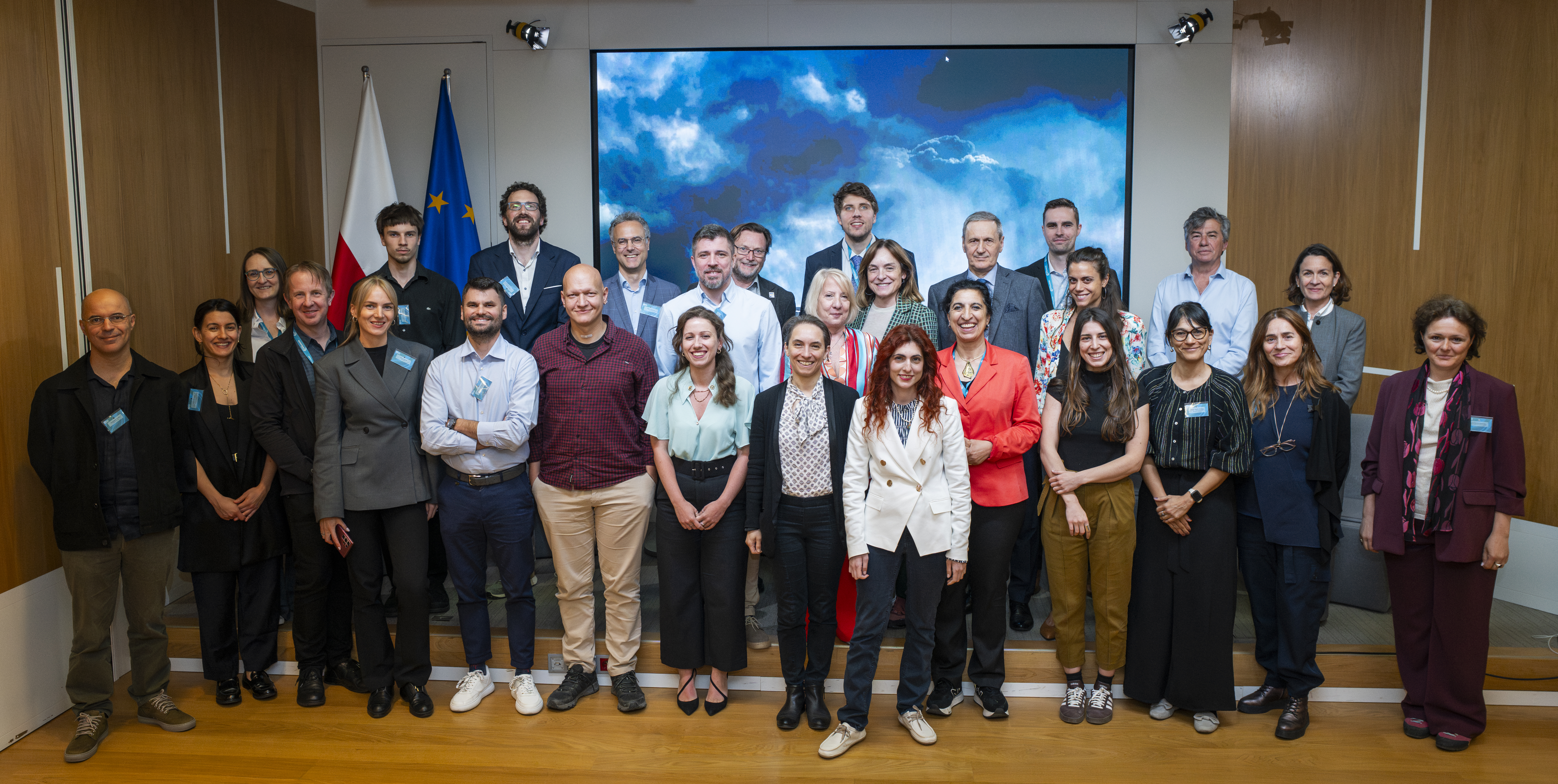
The conference was moderated throughout the day by Eirini Marinou, OCEANIDS Coordinator and R&D Project Manager at Geosystems Hellas (GSH), and during the guided discussions across the different sessions by Roya Ayazi, Secretary-General of NEREUS, Margarita Chrysaki, Communication, Policy and Project Officer of NEREUS and Leon Robin Wiesner, Project Officer at the European Association of Remote Sensing Companies (EARSC), who facilitated exchanges between policymakers, industry representatives, researchers, and end-users.
Opening Remarks & Policy Perspective
The conference opened with Betty Charalampopoulou, OCEANIDS Coordinator and CEO of Geosystems Hellas, and Roya Ayazi, Secretary-General of NEREUS, who welcomed participants and highlighted the importance of strengthening cooperation between maritime and space communities. They emphasised the crucial role of regional and local authorities in using integrated Earth Observation and digital platforms to support coastal resilience, climate adaptation, and sustainable maritime governance. They also expressed their gratitude to the Permanent Representation of the Republic of Poland to the European Union and the Mazovia Region for hosting the event.
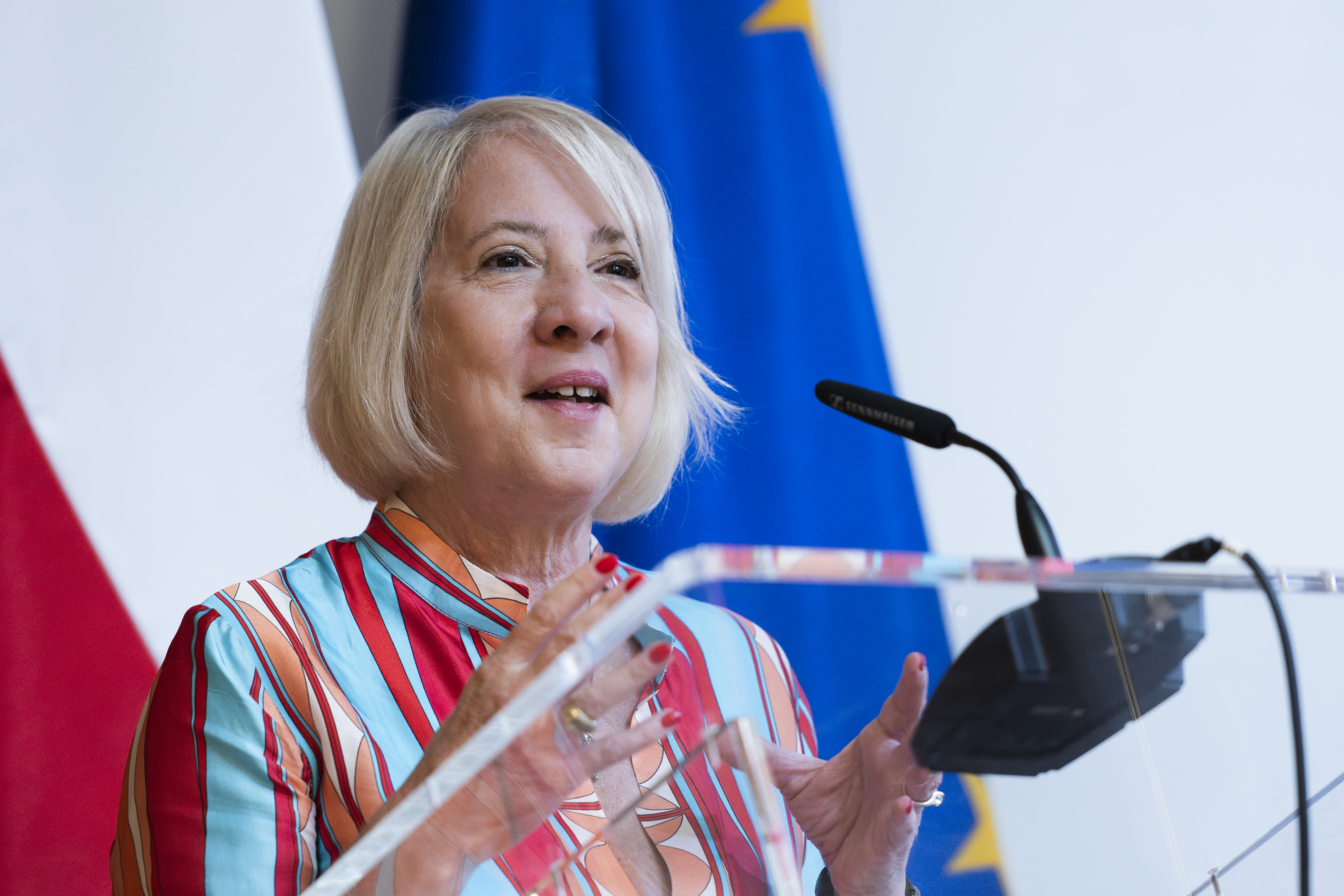
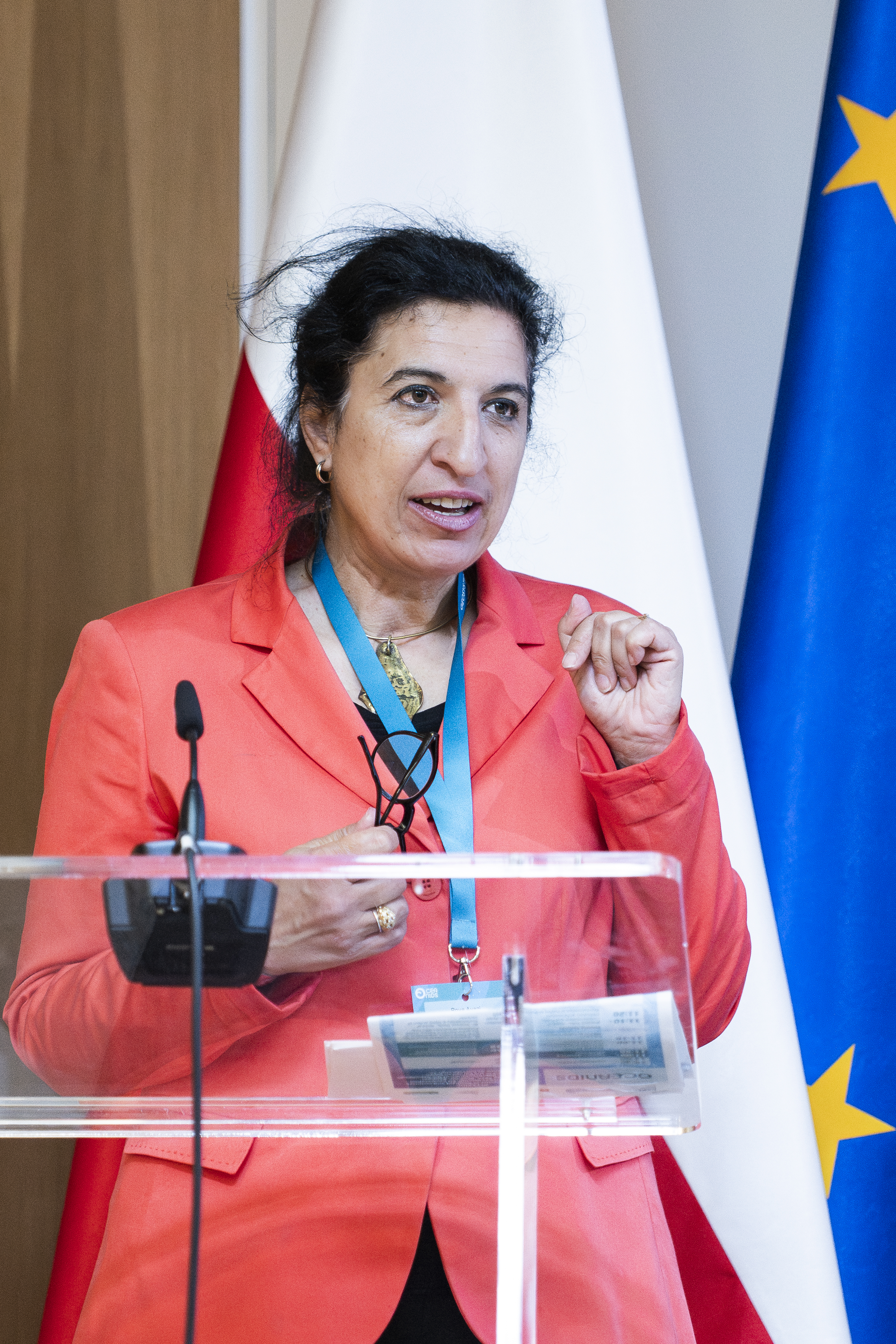
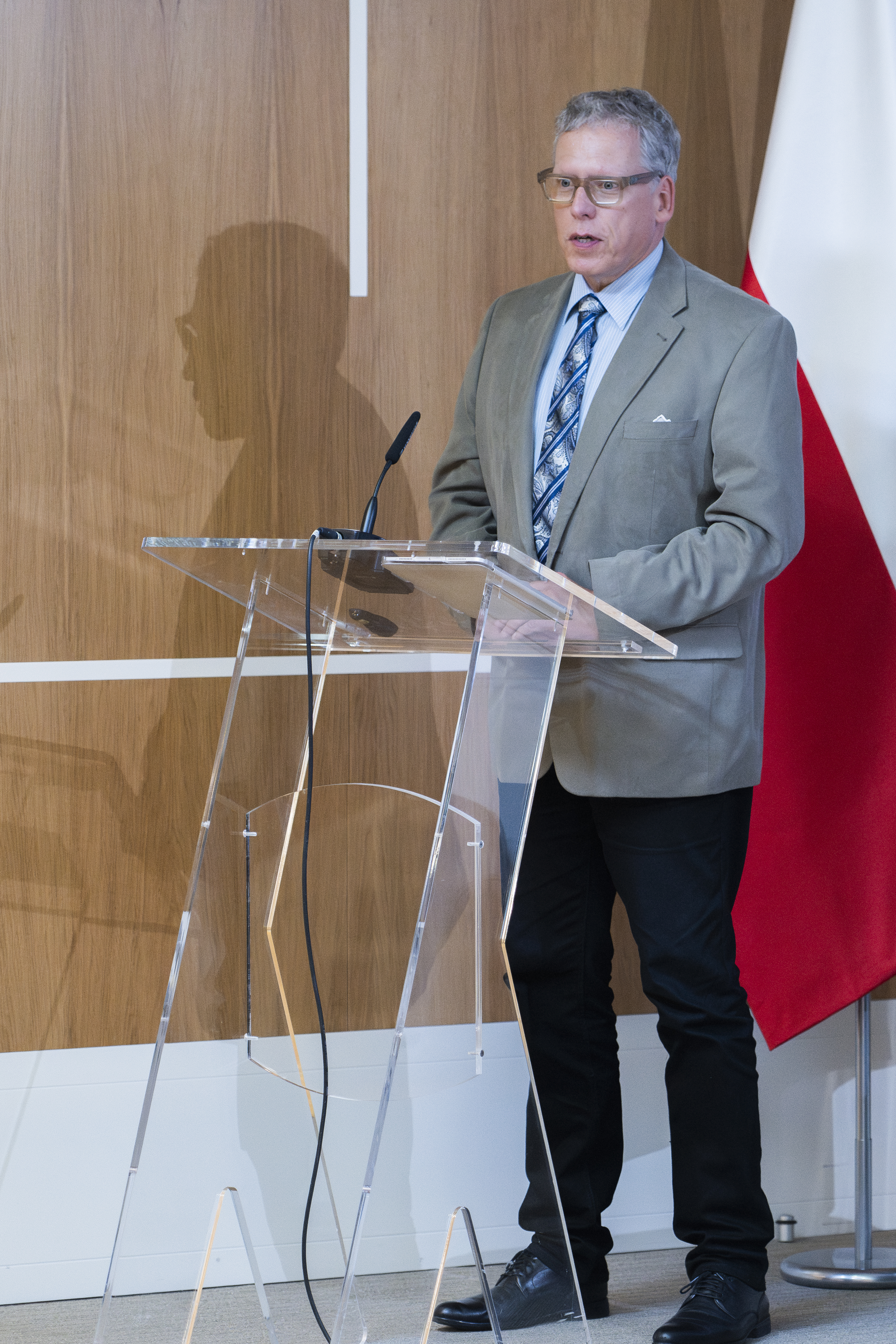
Wojciech Talko, Head of Communication and Public Diplomacy at the Permanent Representation of Poland to the EU, followed with opening remarks stressing the importance of cross-sector collaboration between maritime and space actors. He highlighted how initiatives such as OCEANIDS contribute to innovation, strengthen ocean governance, and support Europe’s broader sustainability and competitiveness objectives.
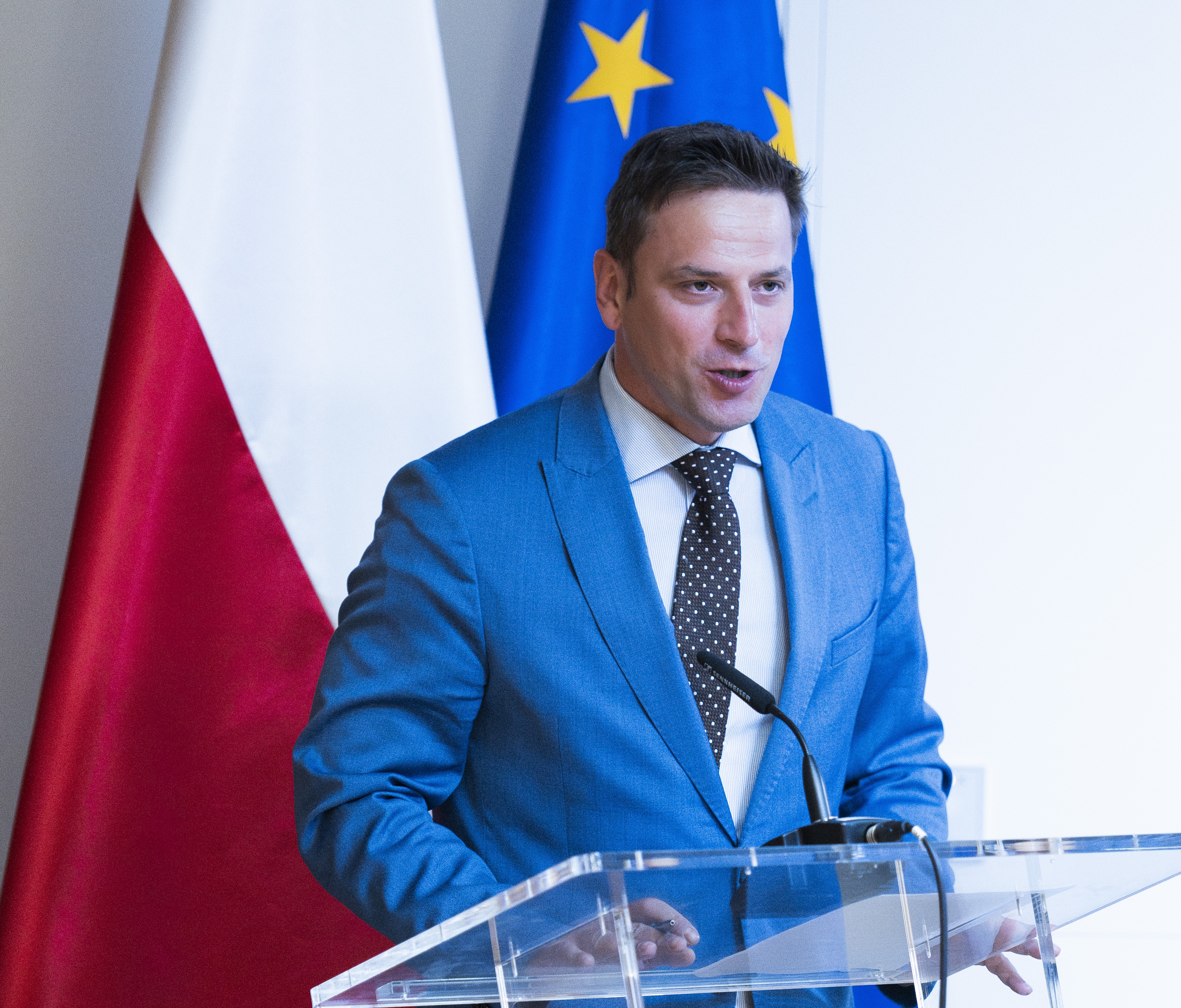
Next, Federico Porra (DG RTD, European Commission) connected current achievements to the EU Mission on Adaptation to Climate Change, featuring the role of mission-driven innovation in accelerating climate resilience solutions across Europe.
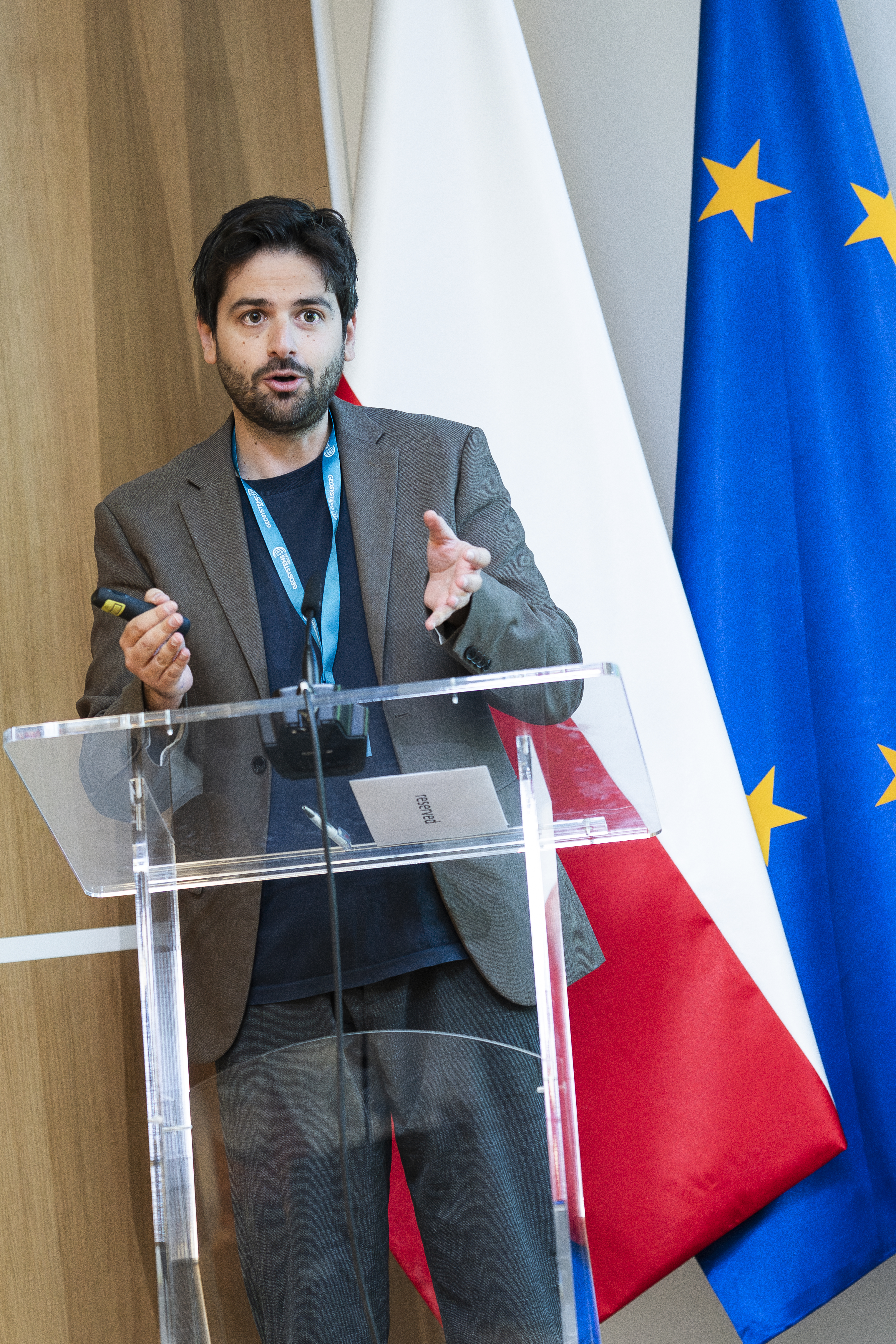
The discussion on Maritime Spatial Planning as an Enabler for a Sustainable Blue Economy brought together two European Commission representatives:
- Felix Leinemann (DG MARE, European Commission) highlighted the central role of healthy oceans for food security and sustainable maritime activities, and referenced the European Ocean Pact and the ongoing evaluation of the Maritime Spatial Planning Directive, currently open for consultation.
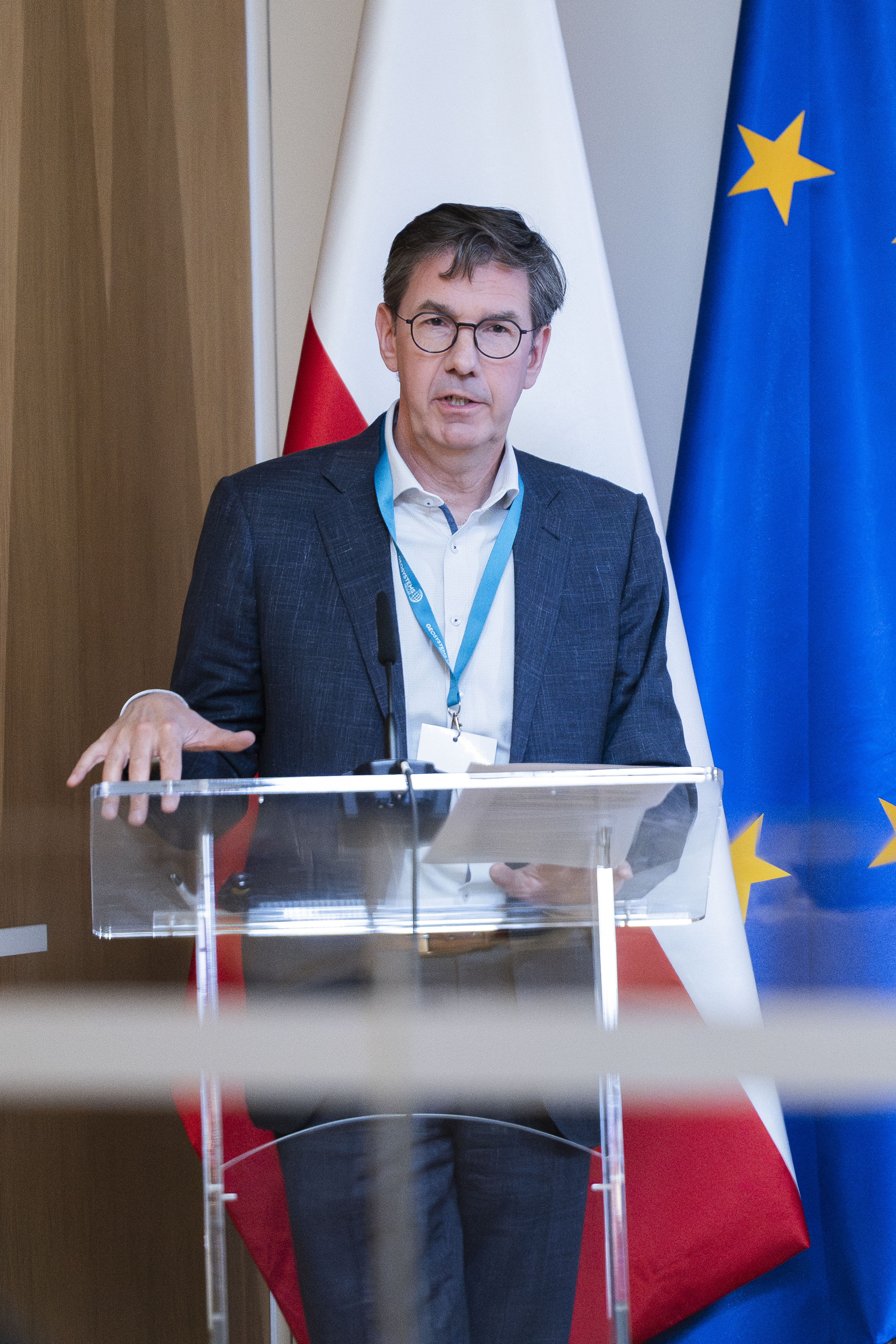
- Hugo Zunker (DG DEFIS, European Commission) emphasised the strategic importance of space infrastructure, Copernicus services, and downstream applications in supporting maritime governance and European resilience.
The OCEANIDS Platform: A Decision-Making Tool
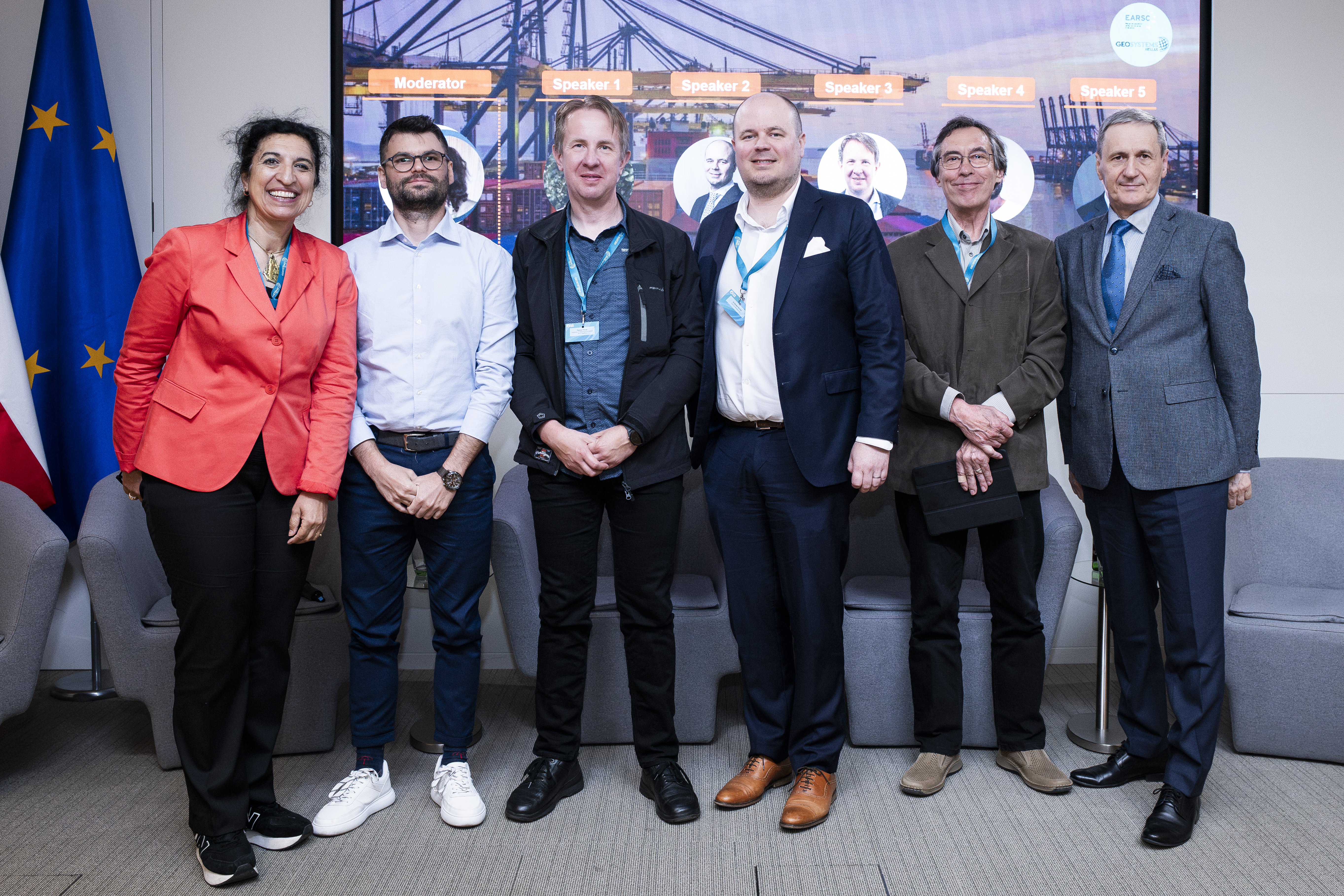
Moderated by Roya Ayazi, the first panel explored how the OCEANIDS platform can support maritime decision-making. Professor Stanisław Lewiński highlighted the importance of user skills and integrated systems, while Christos Kontopoulos (Geosystems Hellas) presented the platform’s future development through additional geospatial and environmental data layers. Jacek Kosiec (CreoTech), Rainer Müller (ISL), and Andreas Slotte (Port of Helsinki) stressed the need for user-driven, practical, and easy-to-use solutions that can be seamlessly integrated into operational workflows. The discussion also emphasised the importance of innovation and cooperation to strengthen Europe’s competitiveness in the maritime and space sectors.
Blue Economy Priorities and Maritime Governance
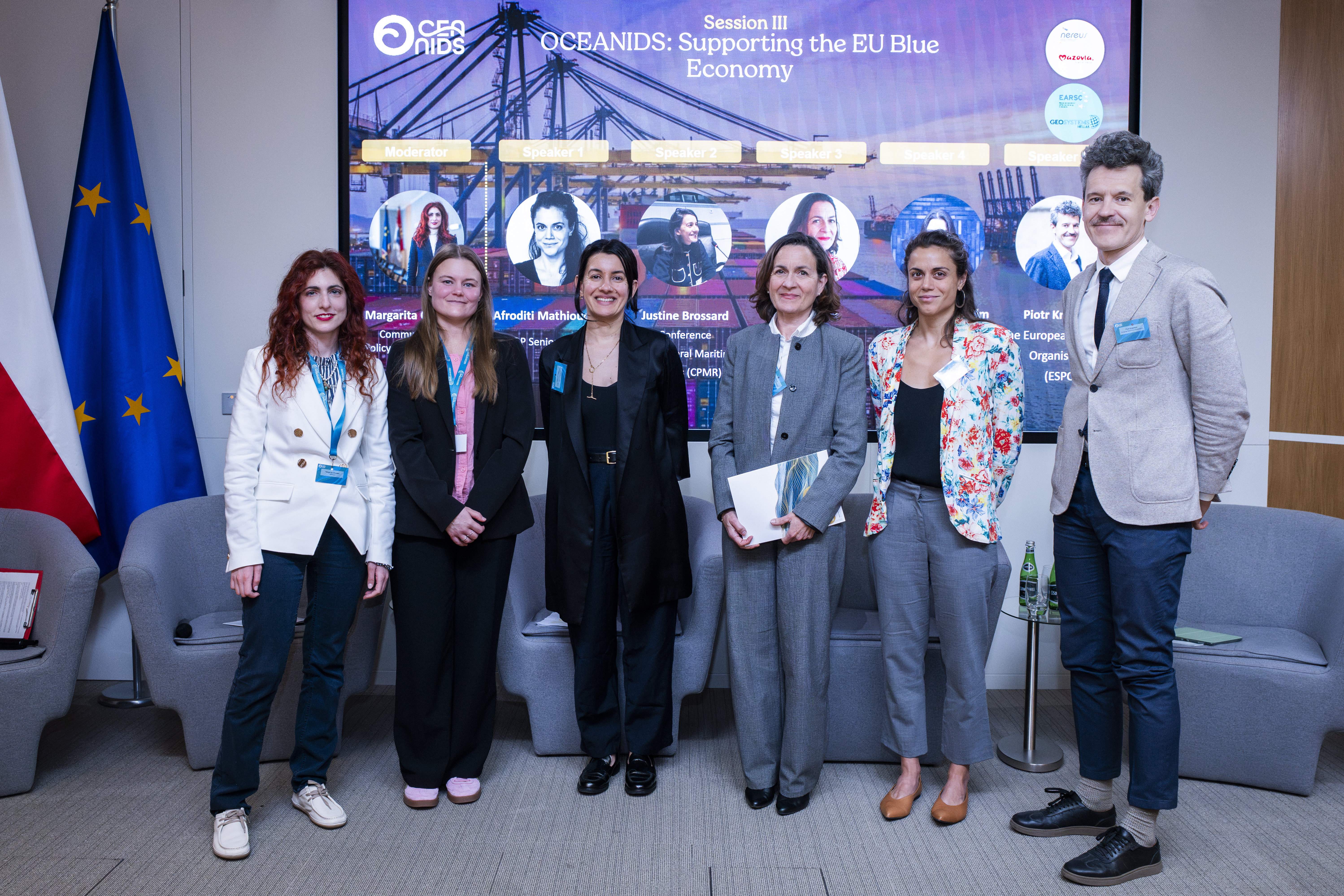
Moderated by Margarita Chrysaki, the second panel examined how space-based services can support maritime governance and evidence-based policymaking. Contributions from Afroditi Mathioudaki (CDP), Justine Brossard (CPMR), Muriel Lux (Mercator Ocean International), Piotr Krasnicki (ESPO) and Linn Söderpalm (ECSA) highlighted the importance of environmental intelligence, regional planning, climate resilience and sustainable maritime development for Europe’s Blue Economy.
From Data to Service Value Chains
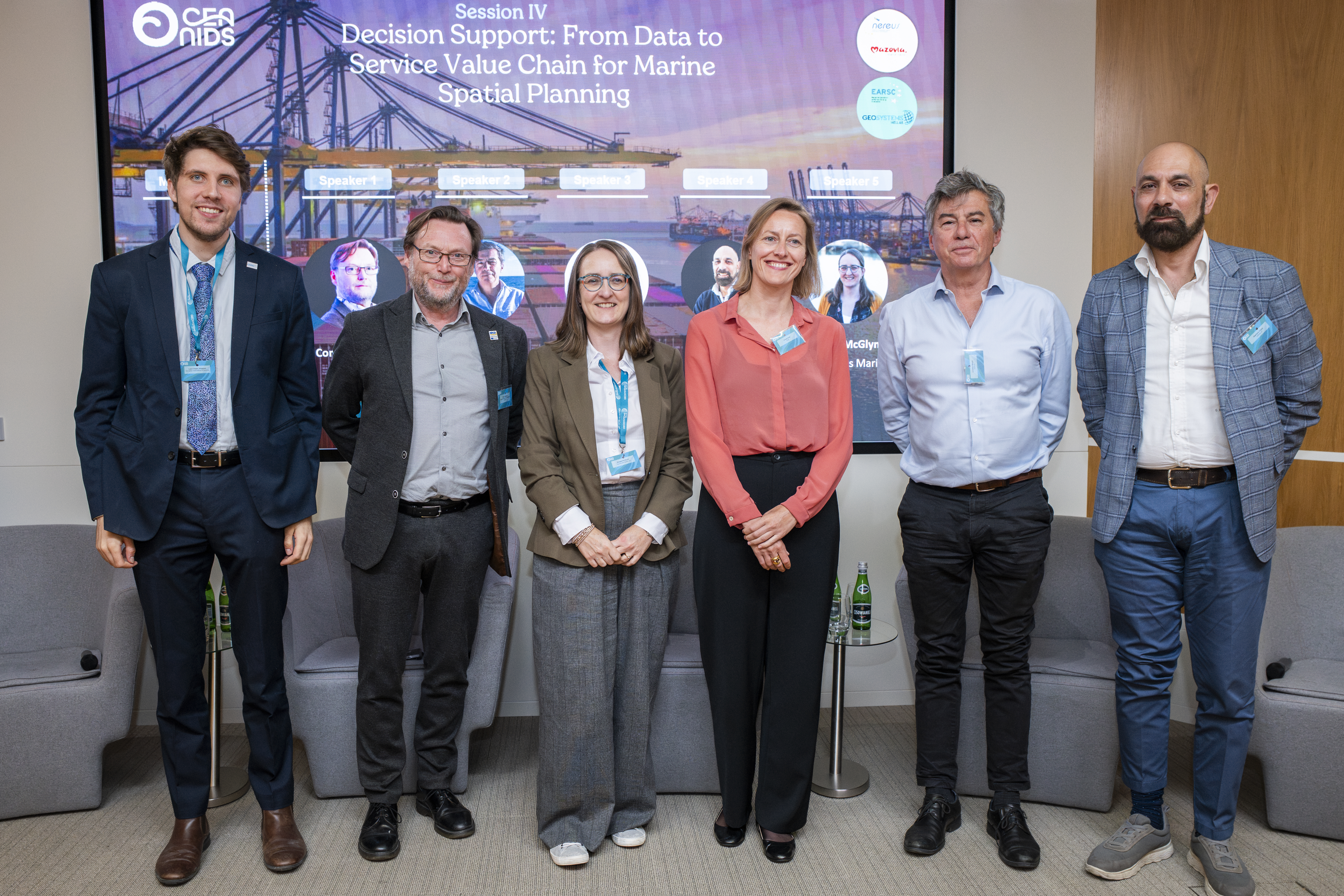
Moderated by Leon Robin Wiesner (EARSC), the final panel focused on transforming Earth Observation data into operational services. Conor Delaney (EMODnet), Anica Huck (European Space Imaging), Sinead McGlynn (TechWorks Marine), Antoine Mangin (ACRI-ST) and Gaetano Volpe (Latitudo40) discussed data accessibility, innovation uptake and the development of practical tools to support maritime spatial planning and coastal management.
Key Conclusions
The conference demonstrated the strong potential of tools based on Earth Observation, Copernicus services, artificial intelligence, ocean monitoring, and digital platforms to support resilient and inclusive coastal societies. Participants agreed that Europe possesses a mature ecosystem of environmental data and innovative technologies. However, several speakers highlighted the need to further bridge the gap between technological solutions and operational user needs. Greater collaboration between researchers, technology providers, public authorities, ports, maritime industries, and regional stakeholders will be essential to maximise the impact of these innovations. Projects such as OCEANIDS illustrate how integrated approaches can transform environmental information into practical tools for maritime governance, climate adaptation, maritime spatial planning, and sustainable Blue Economy development.
One year after the launch of the European Ocean Pact, the discussions confirmed the growing importance of space-enabled solutions in supporting Europe’s ambition to protect marine ecosystems, strengthen coastal resilience, support economic competitiveness, and maintain global leadership in sustainable ocean governance.