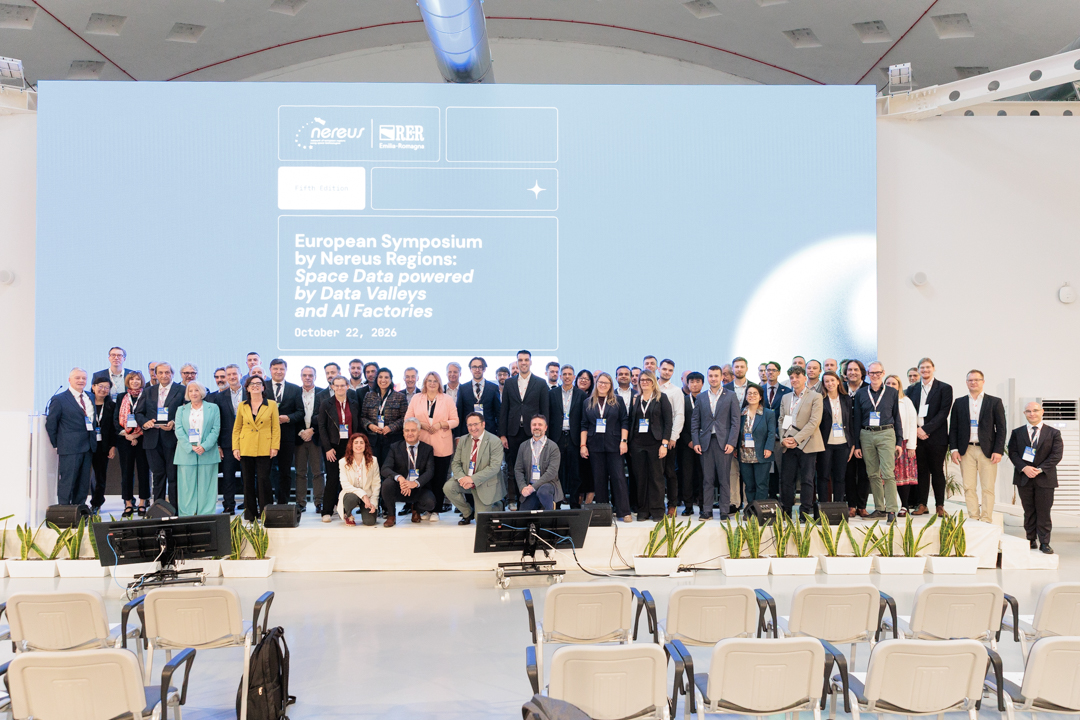
Co-organised by NEREUS and the Emilia-Romagna Region, the 5th European Symposium by NEREUS Regions brought together more than 240 participants from across Europe for two days of institutional dialogue, technical exchange and interregional cooperation. Held at DAMA Tecnopolo in Bologna, the 2026 edition explored how artificial intelligence, big data and high-performance computing can strengthen the use of satellite data and Earth Observation in regional policies, public services and innovation.
Following previous editions in Wallonia, Basilicata, Occitanie and the Azores, the symposium marked a further step in reinforcing NEREUS as a platform for regional cooperation and political engagement in Europe’s space ecosystem.
On both days, the symposium opened with institutional addresses, bringing together regional leaders, NEREUS representatives and European policymakers. The first day opened with opening speeches by Michele de Pascale, President of the Emilia-Romagna Region, who highlighted the role of space technologies in public services, emergency management and innovation; Thierry Cotelle, NEREUS President and representative of the Occitanie Region, who stressed the network’s role in connecting regional ecosystems and strengthening their voice in European space policy. An engaging panel discussion, moderated by Roya Ayazi, NEREUS Secretary General, brought together three distinguished speakers: Tobias Gotthardt, NEREUS Vice-President and Bavarian State Secretary for Economic Affairs, Regional Development and Energy, who underlined the importance of regional involvement in maintaining Europe’s competitiveness in the space sector; Anna Huk, Board Member of the Podkarpackie Region, who highlighted the importance of interregional cooperation in addressing shared challenges, including security; and Francesco De Clementi, Head of Division XI for Space and Defence Industry Policies at Italy’s Ministry of Enterprises and Made in Italy, who emphasised the value of space data for informed decision-making and the further development of Italy’s space economy.
In a video message, Andrius Kubilius, European Commissioner for Defence and Space, highlighted the contribution of Galileo and Copernicus, the opportunities arising from the convergence of space and AI, and the importance of the forthcoming EU budget in supporting Europe’s space ambitions.
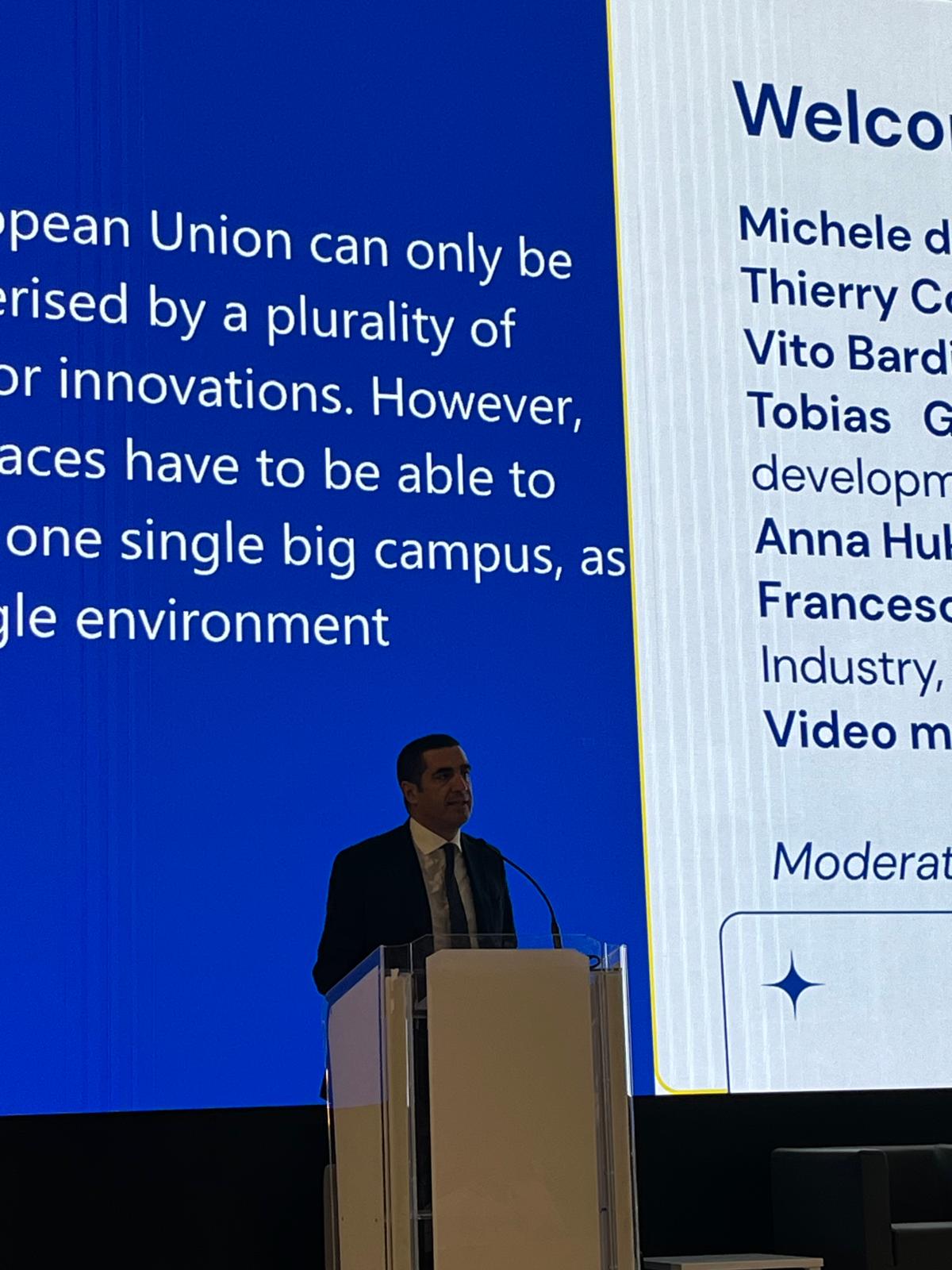
Michele de Pascale
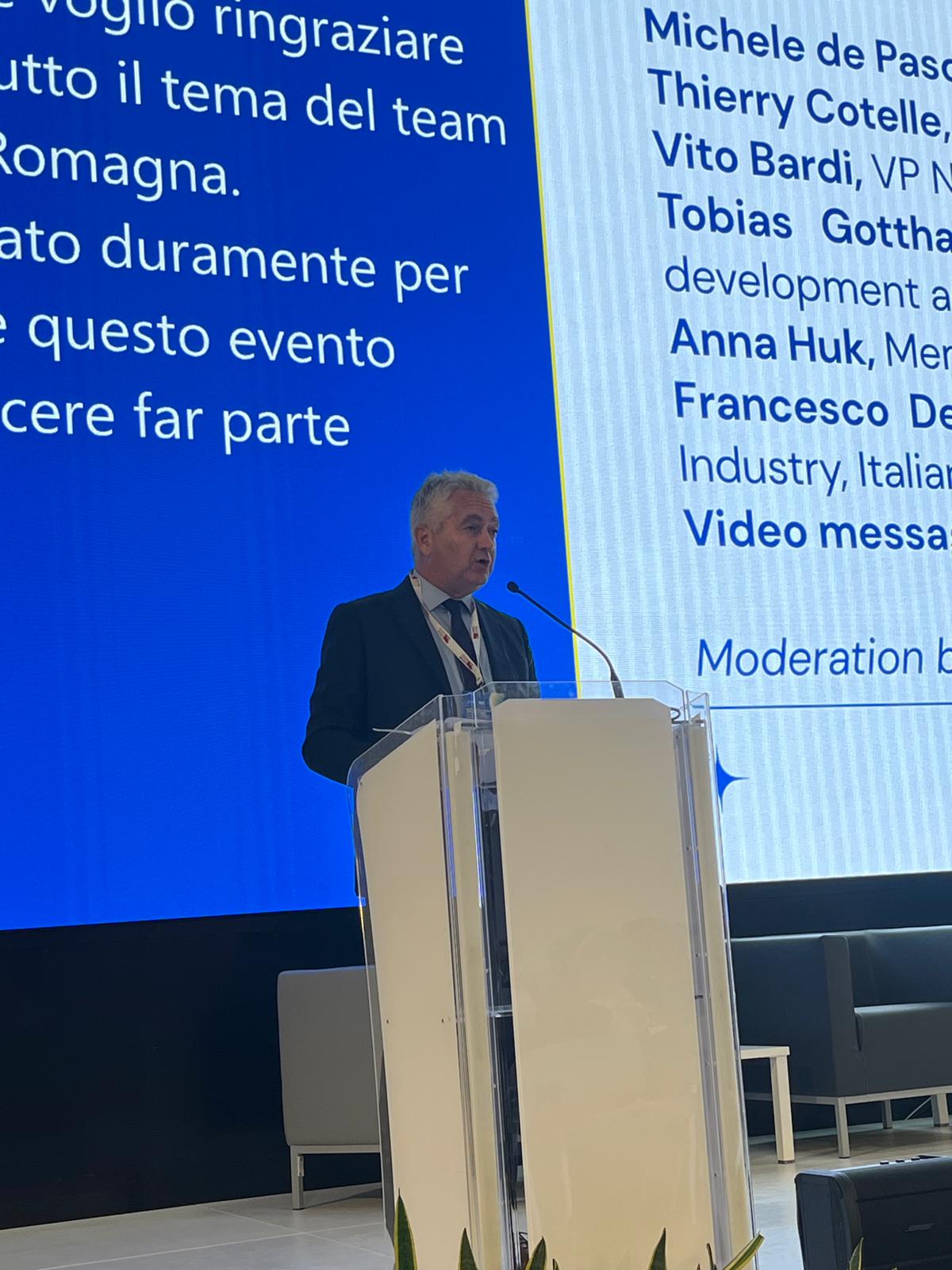
Thierry Cotelle
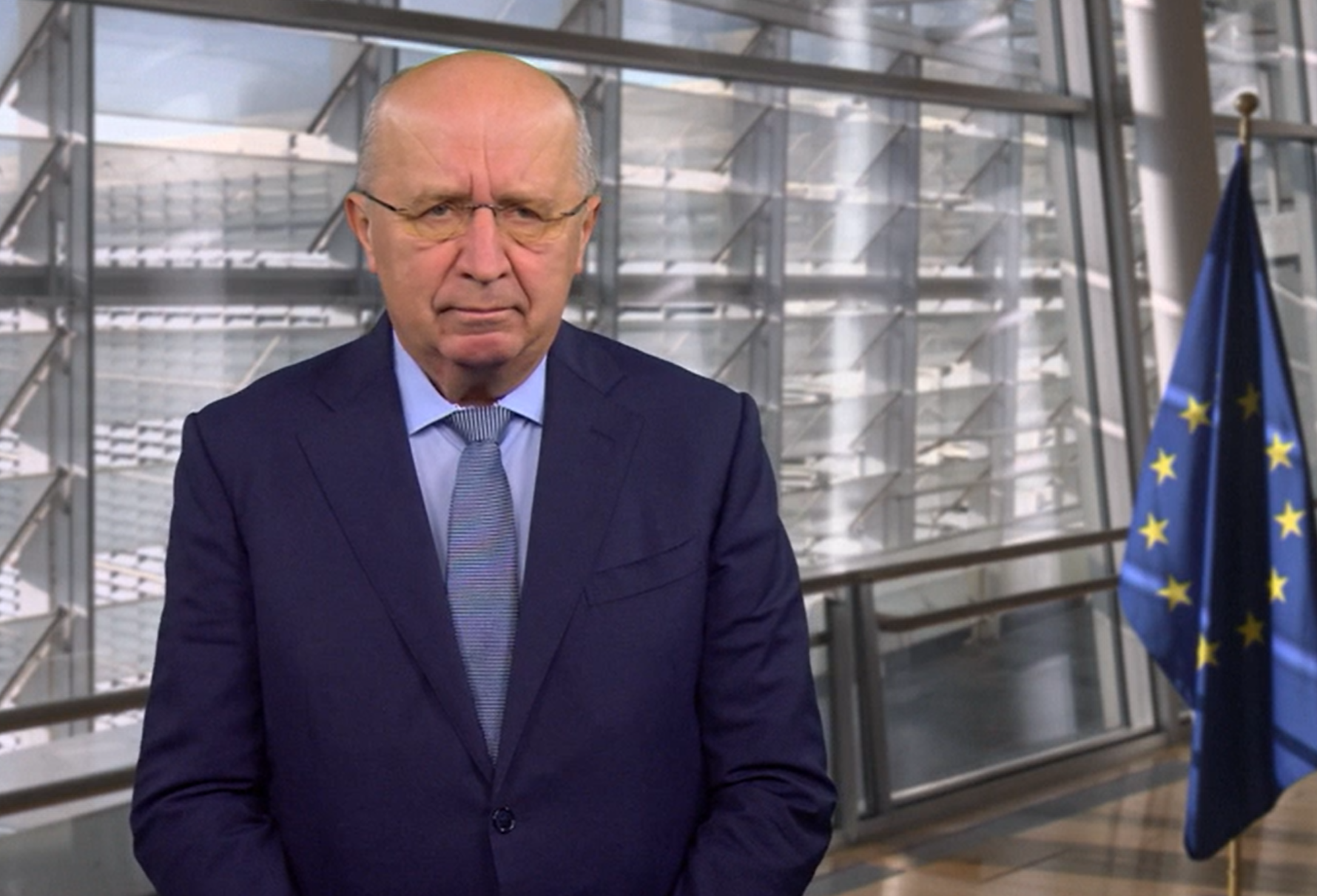
Andrius Kubilius
On the second day, Vincenzo Colla, Vice-President of Emilia-Romagna, welcomed participants and stressed the importance of data for understanding territories, connecting regional ecosystems and strengthening technological sovereignty.
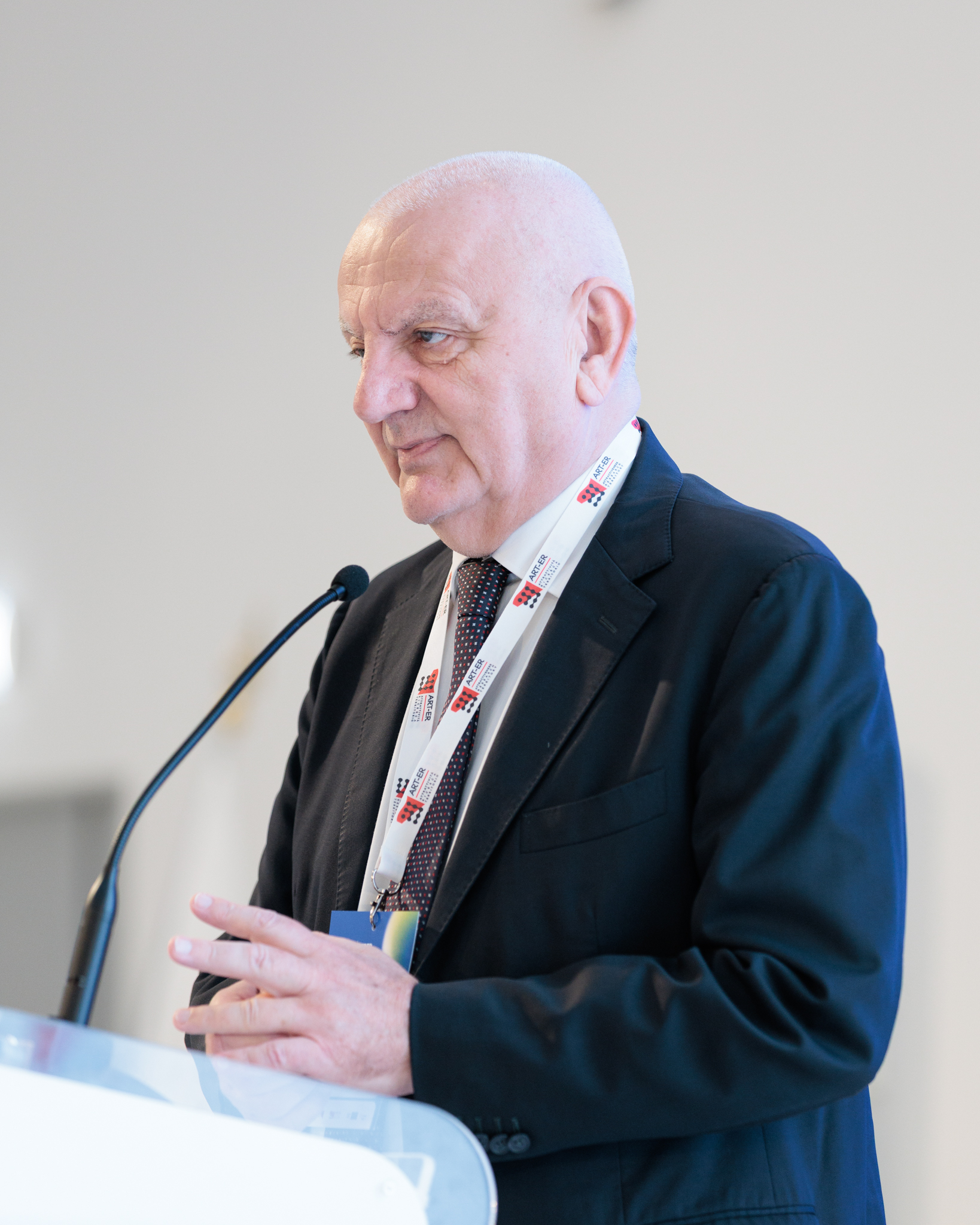
Vincenzo Colla
The keynote on ensuring the continuity and daily impact of Europe’s space assets featured Apostolia Karamali, from Commissioner Kubilius’s Cabinet, who highlighted the need for sustained European investment, stronger security and defence readiness, and better interoperability between European, national and regional services. Andrea Taramelli, Italian delegate to the EU Copernicus User Forum, emphasised the need to develop both upstream and downstream services, transforming satellite data into actionable information and ensuring regions can benefit from European programmes and funding.
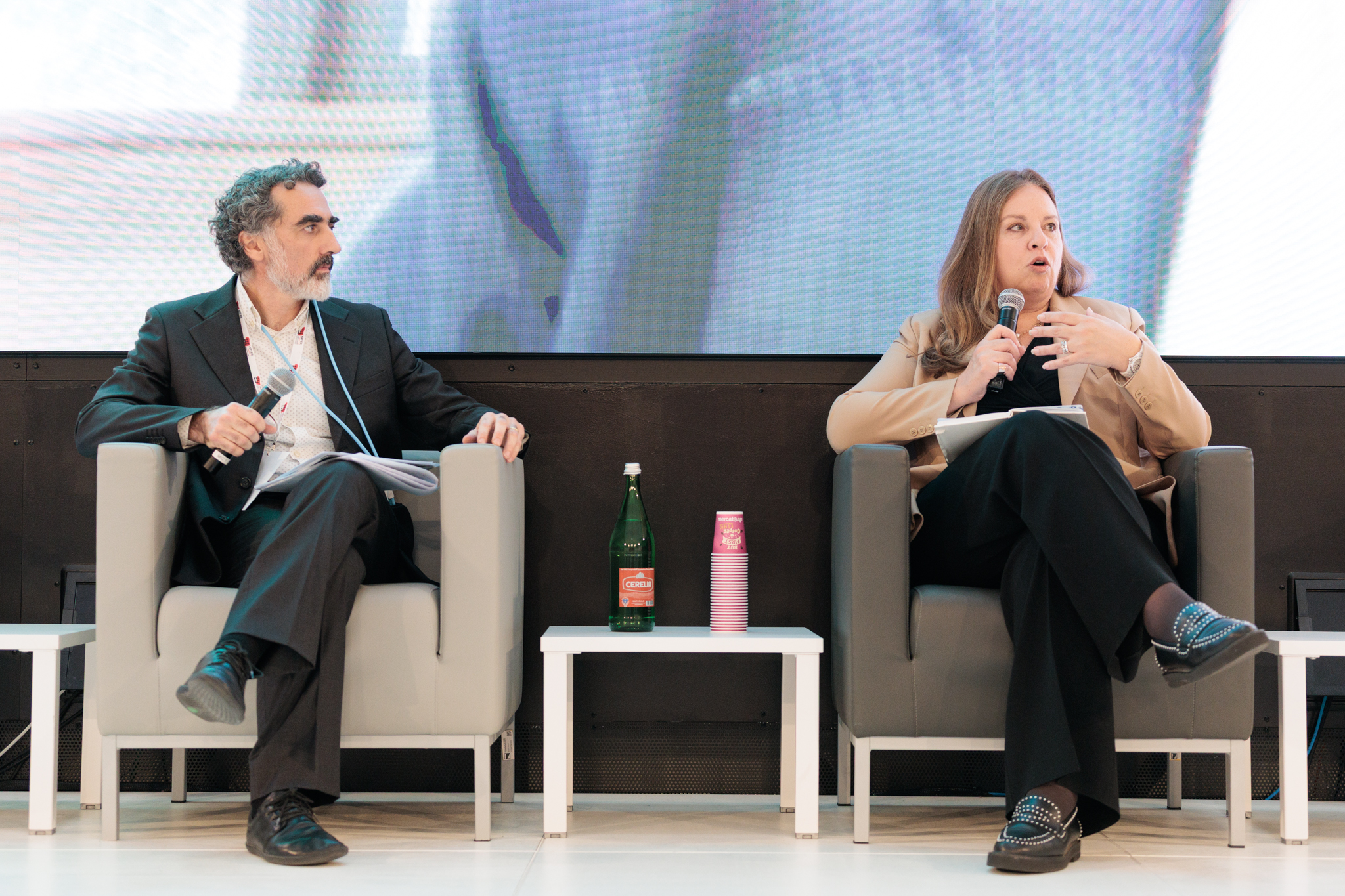
Lorenzo Calabri & Apostolia Karamali
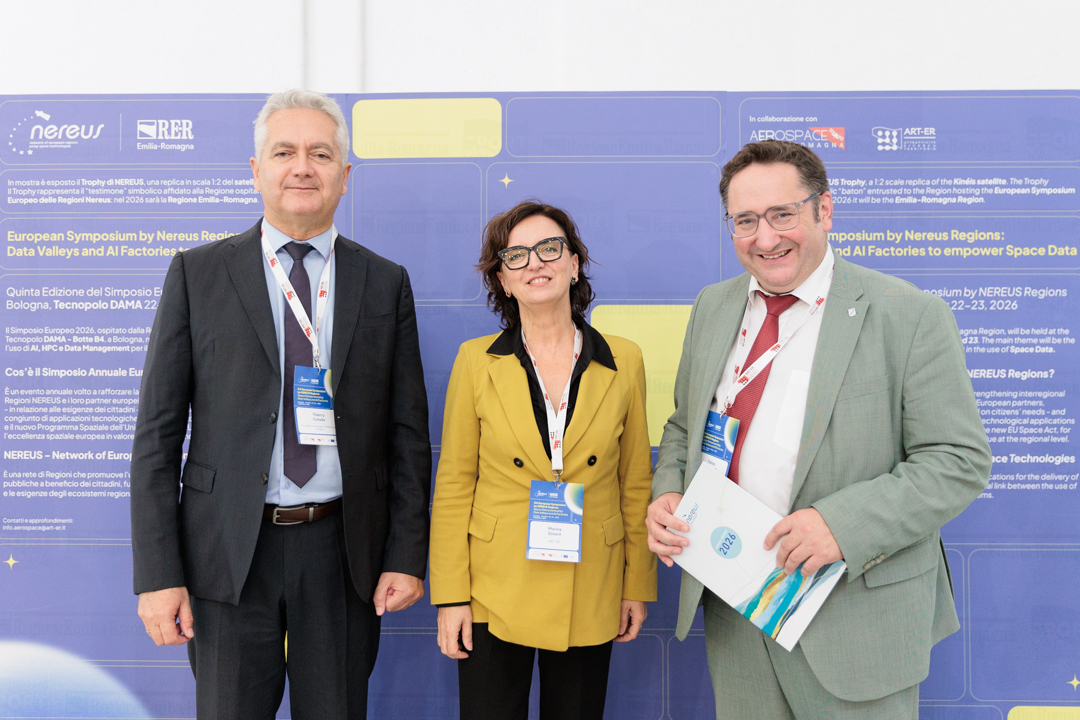
Thierry Cotelle, Marina Silverii, Tobias Gotthardt
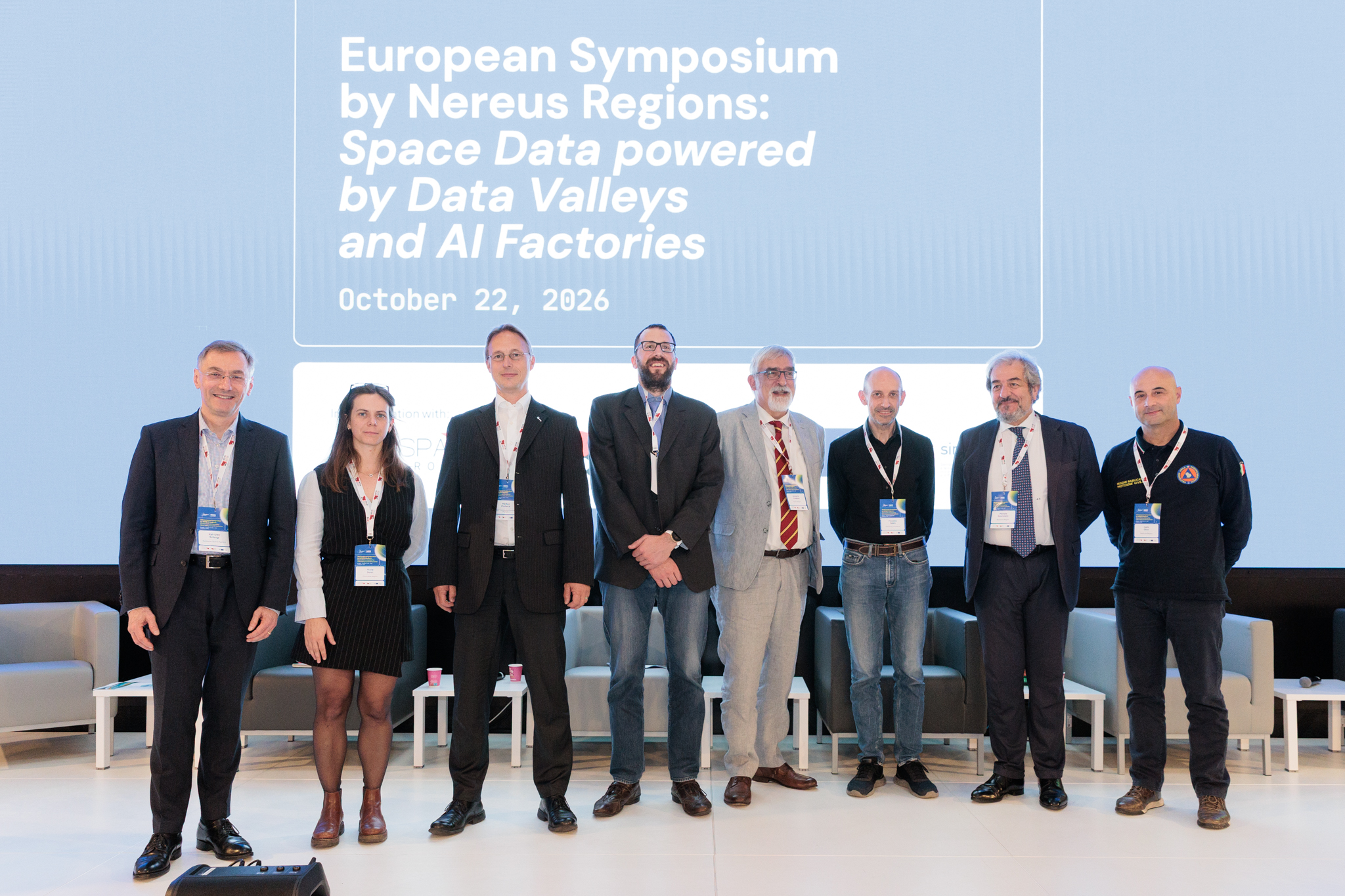
Featuring Laura Holstein, Markus Probeck, Karolina Krauss, Stefan Mühlbauer, Michele Busciolano, Carlo Glisci, Marie Soret, Florent Sourisseau, Umberto Trivelloni, Carlo Masetto and Massimo Fabris. Moderated by Kai-Uwe Schrogl, European Space Agency.
Strengthening the political voice of European regions
A key outcome of the symposium was the Bologna Declaration, agreed upon by NEREUS political representatives on 23 October 2026 during a meeting hosted under the auspices of Vincenzo Colla, Vice-President of the Emilia-Romagna Region. The declaration sets five priorities: strengthening the role of regions in EU space policy, ensuring regional access to EU funding for 2028–2034, connecting regional ecosystems, mobilising European AI Factories for space applications, and reinforcing NEREUS as a common political voice. Participants also agreed to hold annual political meetings alongside the symposium, with the next planned for 2027 in Podkarpackie/Małopolska focusen on security & resilience.
The first day symposium featured a social dinner at Palazzo Pepoli, showcasing the symbolic handover of the NEREUS trophy from Emilia-Romagna to Podkarpackie/Małopolska, in honour of the regions hosting the 2027 edition.
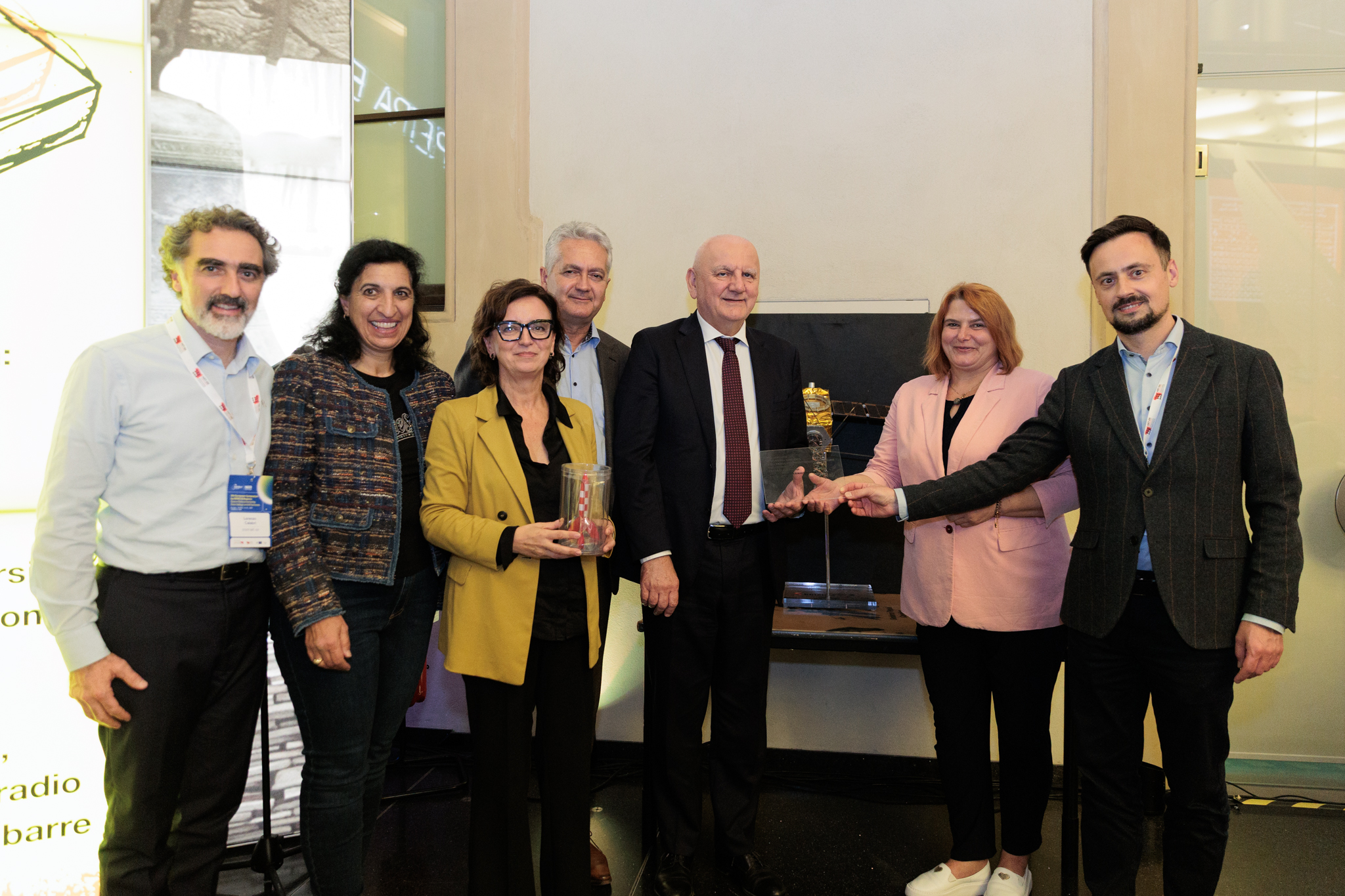
From left to right: Lorenzo Calabri, Roya Ayazi, Marina Silverii, Thierry Cotelle, Vincenzo Colla, Anna Huk, and Andrzej Bańka
From regional challenges to practical solutions
A second key added value of the Bologna edition was its focus on translating regional needs into concrete opportunities for cooperation. The Business-to-Government (B2G) Matchmaking Arena connected public administrations with service providers through scheduled one-to-one meetings. Seventeen territorial challenges submitted by NEREUS partner regions addressed issues including coastal monitoring, water management, renewable energy, landslides, soil consumption and urban climate adaptation.
Complementing these meetings, five interactive round tables on 23 October addressed regional access to EU space policy opportunities, data interoperability, water resilience and the Blue Economy, climate-related risks and digital twins, and the calibration and validation of satellite data. The discussions brought together public authorities, businesses and research organisations to exchange experiences and explore cooperative approaches to the use of space data.
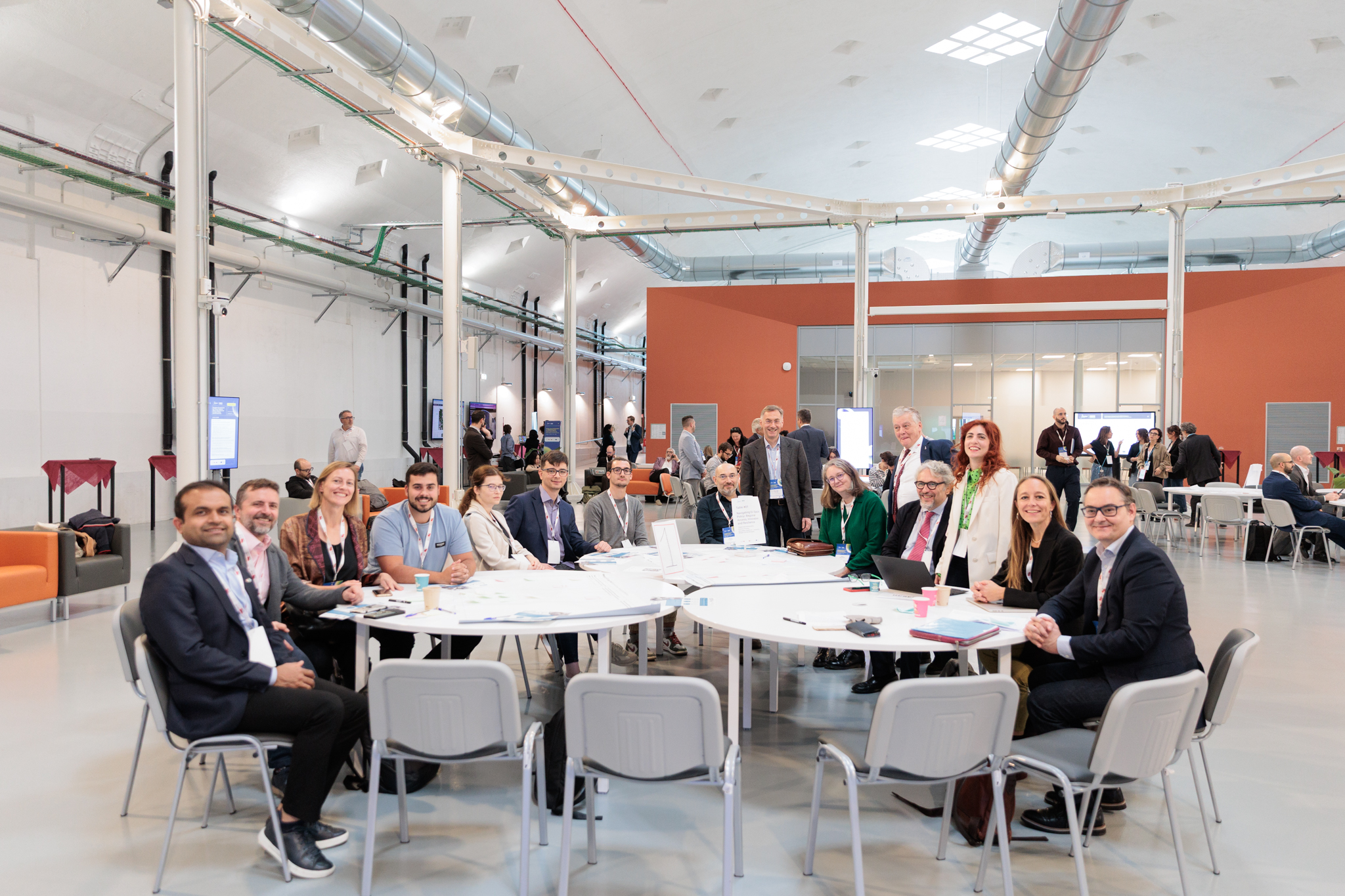
Table 1 ‘Space Policy’ led by Dimitrios Stroikos, rapporteur Margarita Chrysaki
Together, the round tables and B2G sessions reinforced the symposium’s practical dimension, connecting regional challenges with technological expertise and encouraging solutions that can be shared and adapted across territories.
The programme concluded with technical visits to the Leonardo High-Performance Computing infrastructure and IT4LIA AI Factory and the ECMWF Data Center, followed by a visit to the Medicina Radio Astronomical Station. These visits showcased Emilia-Romagna’s scientific and technological strengths and the infrastructure supporting Europe’s data-driven innovation.
The 2026 symposium reaffirmed the importance of strong regional ecosystems, political commitment and cooperation between public administrations, research organisations and industry, strengthening both the political voice of NEREUS regions and their capacity to turn space technologies into tangible benefits for citizens and businesses.
More than 240 participants along the 2 days of the Symposium, attending 6 plenary sessions and 2 interactive moments, with 91 B2G (Business-to-Government) meetings that took place between 42 solution providers from 11 countries and 12 NEREUS member public authorities (PAs), addressing 16 territorial challenges.
Download here
-
Video Gallery (YouTube)
- Results of the interactive tables (coming)
- Bologna declaration
- Full follow-up (link)
