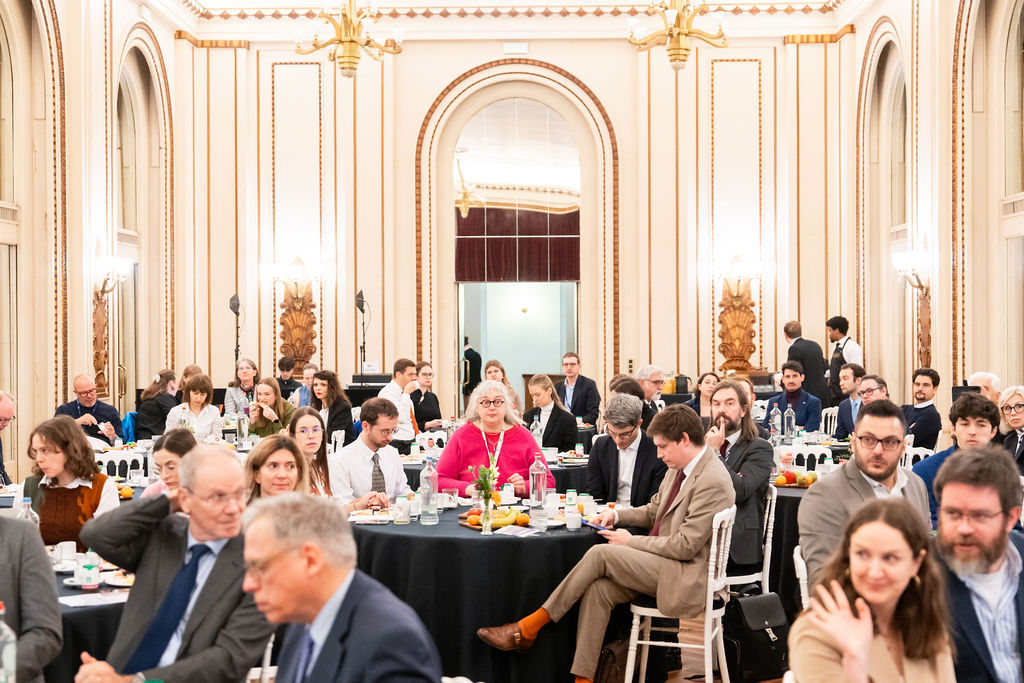
The Copernicus4Regions Breakfast Debate, jointly organised by the European Commission, the European Space Agency (ESA) and the Network of European Regions Using Space Technologies (NEREUS), took place on 20 November 2026 at the Residence Palace in Brussels. Bringing together members of the Council’s Space Working Group and regional representatives, the event provided an opportunity for direct exchanges between European policymakers and public users of Copernicus.
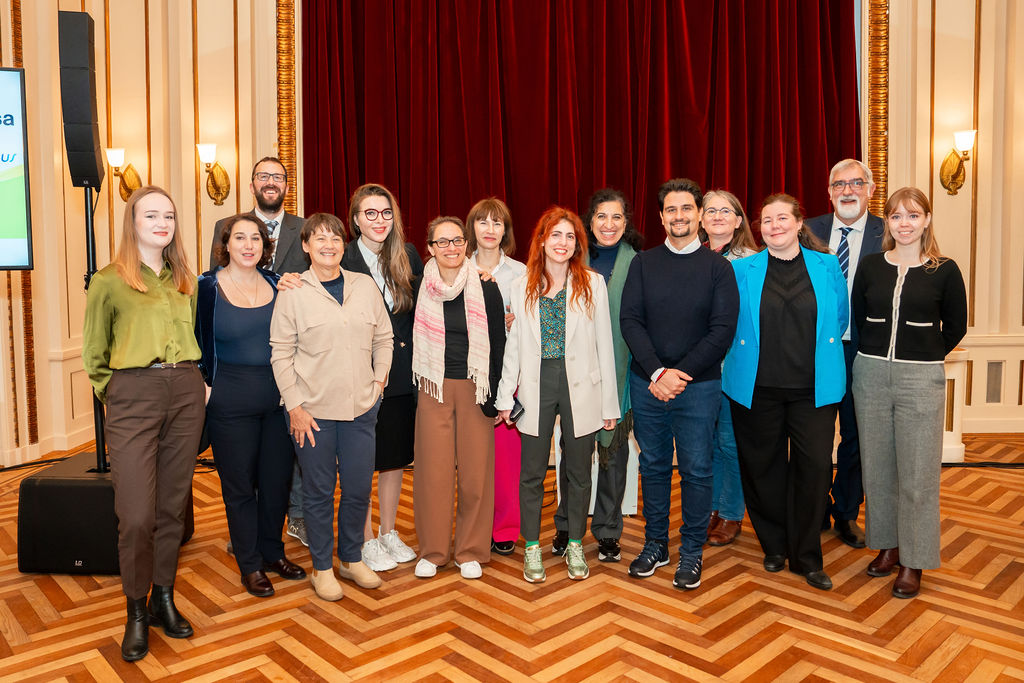
With more than 64 participants including space attaches, the debate highlighted how the Copernicus Earth Observation programme supports public administrations across Europe, delivering tangible benefits for citizens, territories and public policies. Discussions focused on the societal and economic value of Copernicus, its practical applications at regional and local levels, and the importance of sustaining its development in the context of the upcoming Multiannual Financial Framework (MFF) 2028–2034.
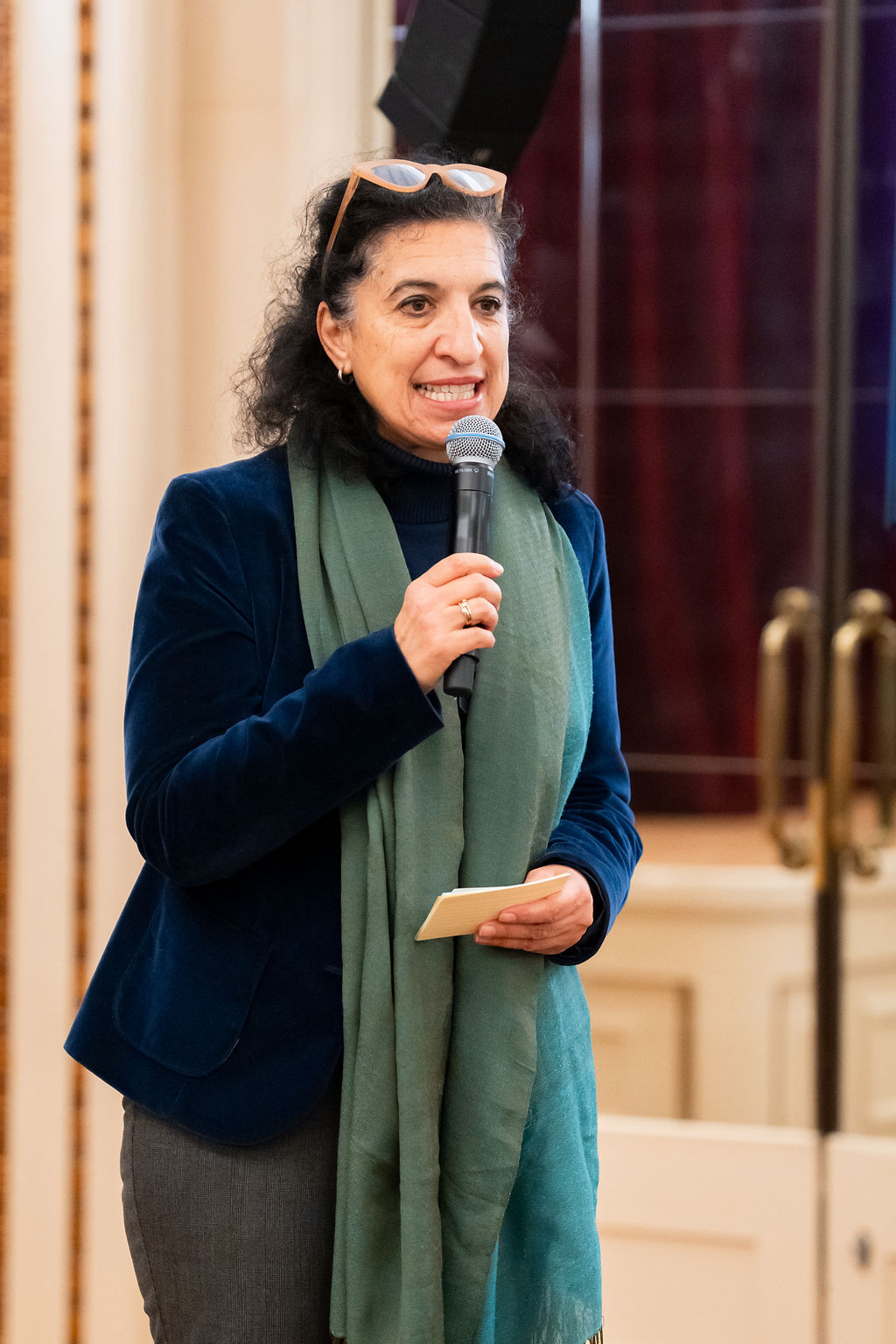
Roya Ayazi, NEREUS Secretary General
Hugo Zunker, Deputy Head of Unit at the European Commission’s Directorate-General for Defence Industry and Space (DG DEFIS), highlighted the societal value of Copernicus and the importance of ensuring sustainable funding for the programme. Supporting continued investment in Copernicus means supporting its long-term contribution to society, public services and environmental sustainability. This is particularly relevant in the context of the next MFF (2028–2034), where demonstrating the programme’s concrete benefits for public authorities and citizens remains essential.
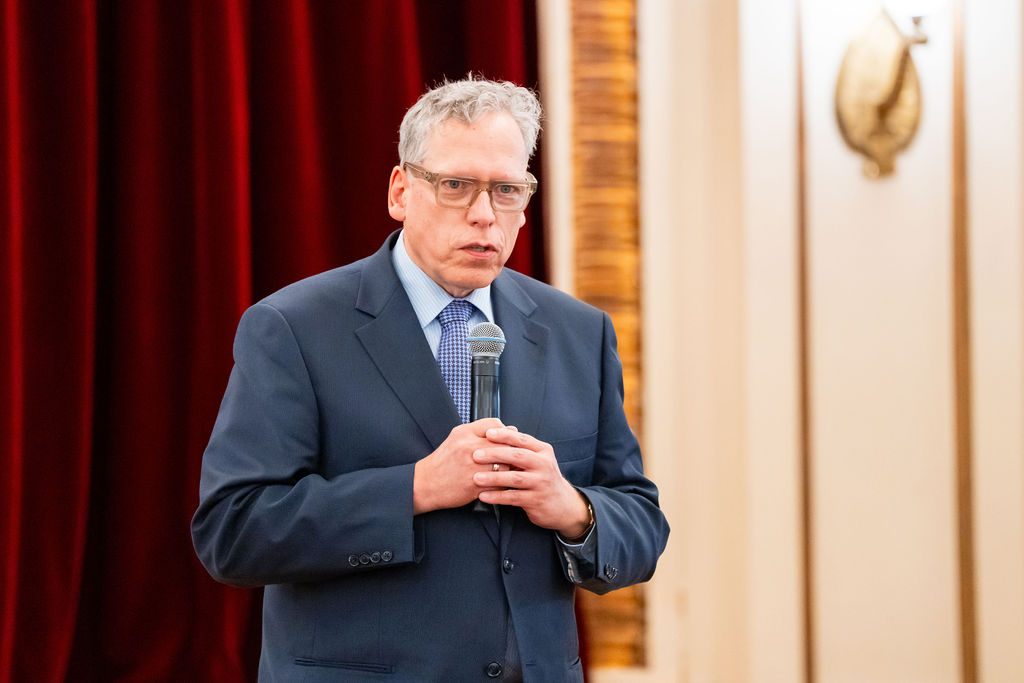
Hugo Zunker
The debate showcased three Copernicus4Regions user stories, demonstrating how satellite Earth Observation data is already helping public administrations address challenges in environmental protection, territorial planning and agriculture.
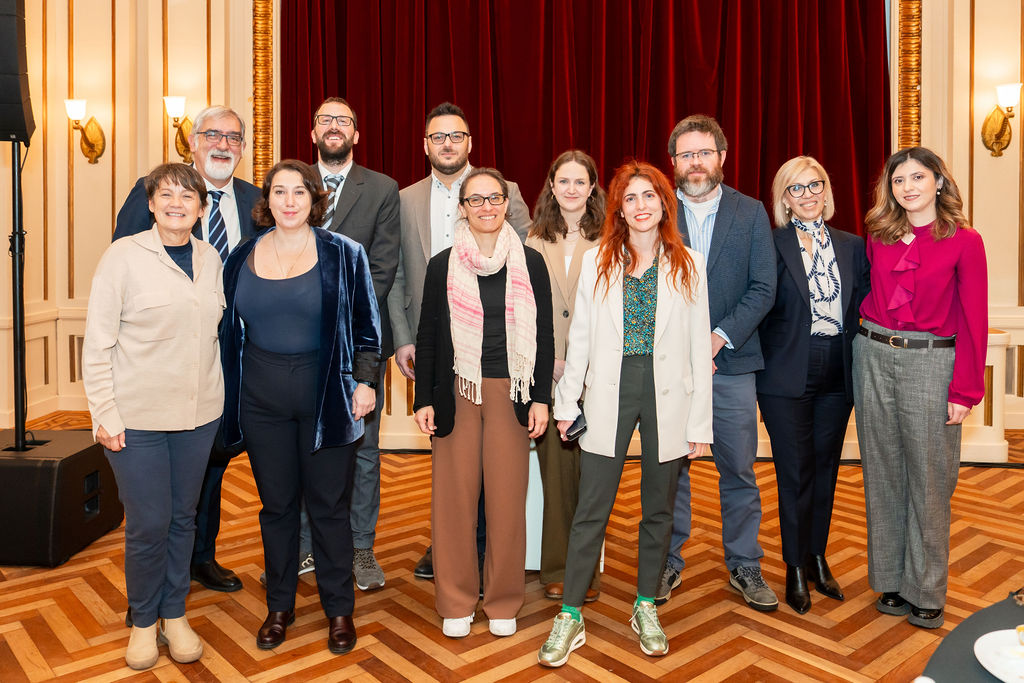
Copernicus users
Hannah Mulcahy, Turlough Ecologist at Ireland’s National Parks & Wildlife Service, and Ted McCormack, Senior Geologist at Geological Survey Ireland, presented Monitoring Groundwater-Dependent Habitats Using Sentinel-1 SAR. Their case illustrated how Copernicus satellite data supports the monitoring of sensitive groundwater-dependent ecosystems, contributing to biodiversity protection and environmental management.
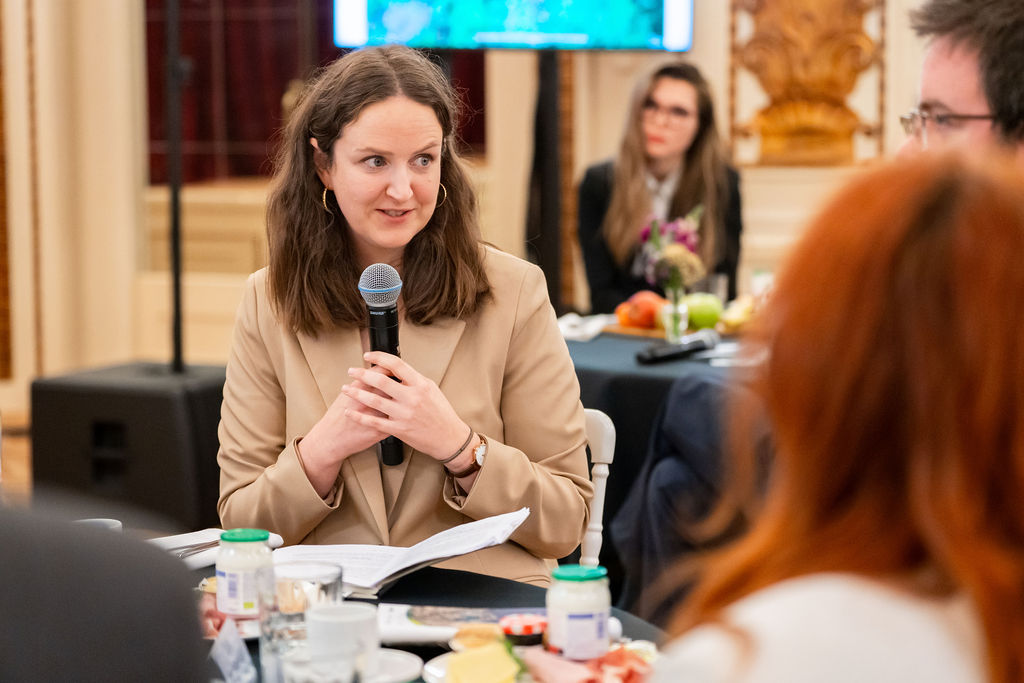
Hannah Mulcahy
Salvina Sist, Director of the Territorial Planning Directorate of the Veneto Region, and Carlo Masetto, GIS and Remote Sensing Officer, presented Earth Observation Data for Regional Land Cover Map Updating. Their experience demonstrated how Copernicus data supports regional authorities in updating land cover information, strengthening territorial planning and improving evidence-based decision-making.
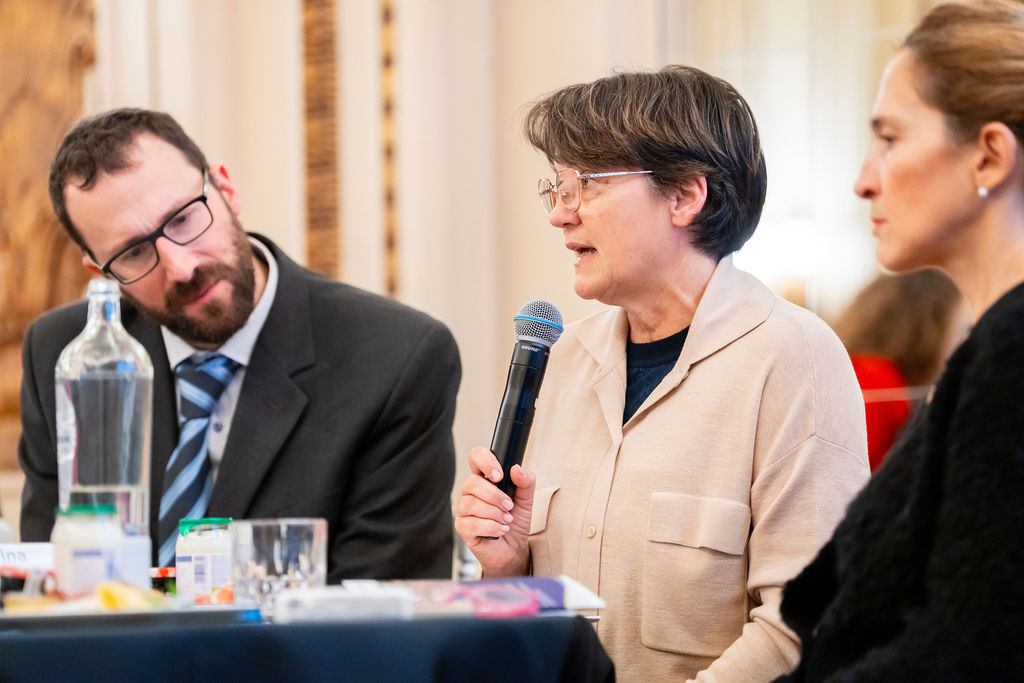
Salvina Sist
Anestis Trypitsidis, Managing Director of NEUROPUBLIC, and Vaso Panagiotopoulou, Agricultural Engineer at FarsalonGi, presented Earth Observation for Smart Farming and CAP Performance. Their case highlighted how Copernicus satellite data can support precision agriculture, improve farming practices and contribute to the implementation of the Common Agricultural Policy (CAP).
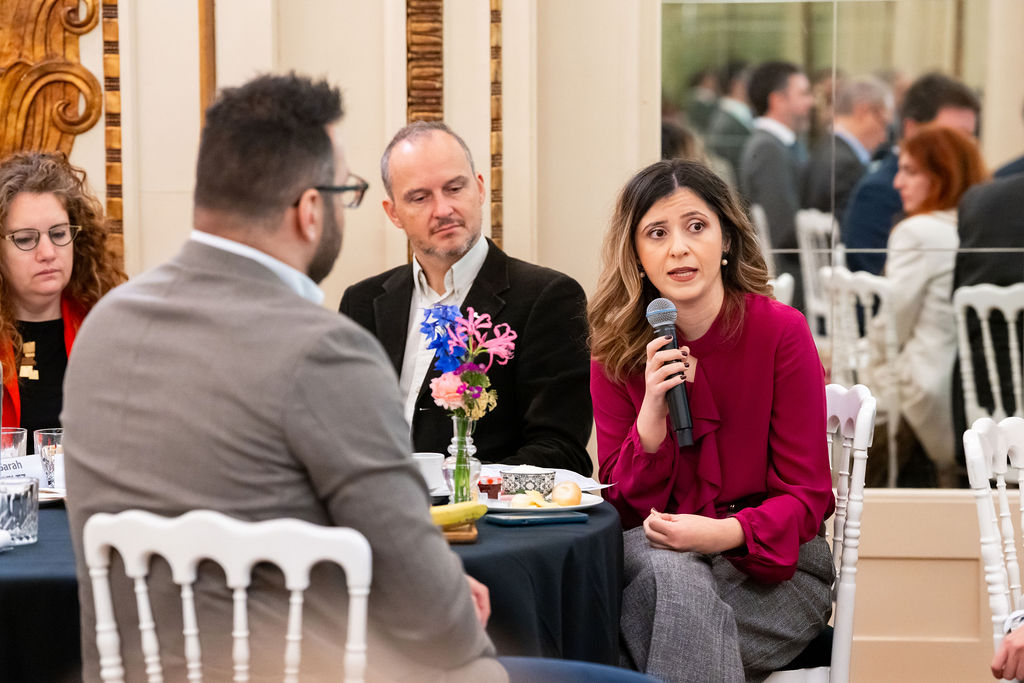
Vaso Panagiotopoulou
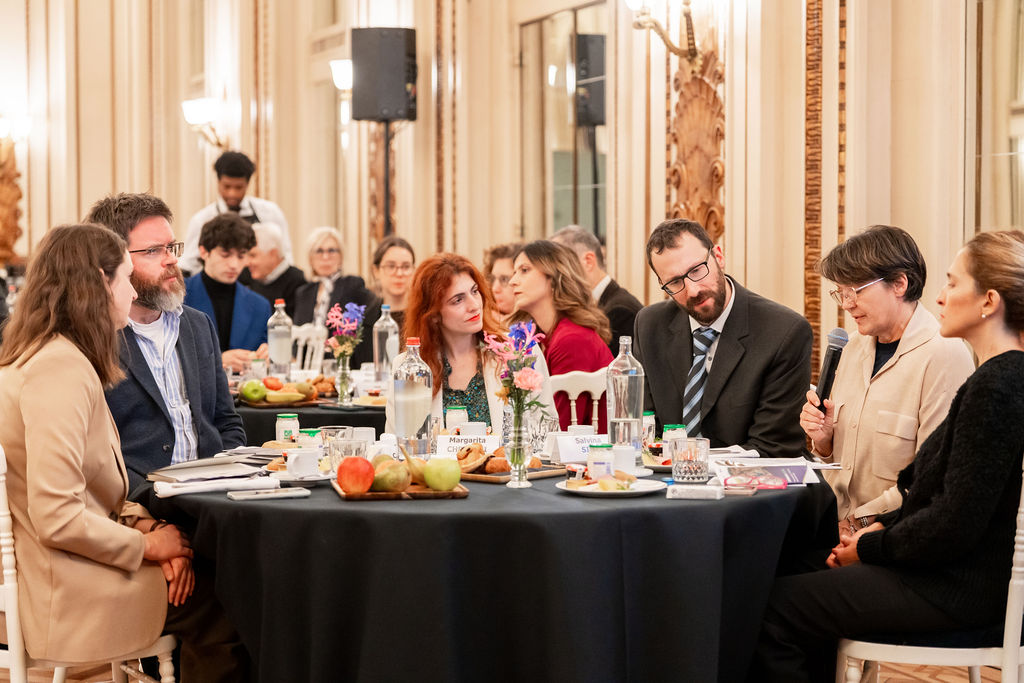
The exchange with participants also addressed barriers to the wider uptake of Copernicus services by public administrations. Public procurement was identified by users as an important obstacle, while awareness-raising and capacity building were recognised as key measures to help regional and local authorities better understand, access and integrate Copernicus-based services into their activities. The discussion reinforced the need to continue showcasing concrete user experiences, demonstrating the value of Copernicus investments and strengthening the connection between European space policies and the needs of public administrations.
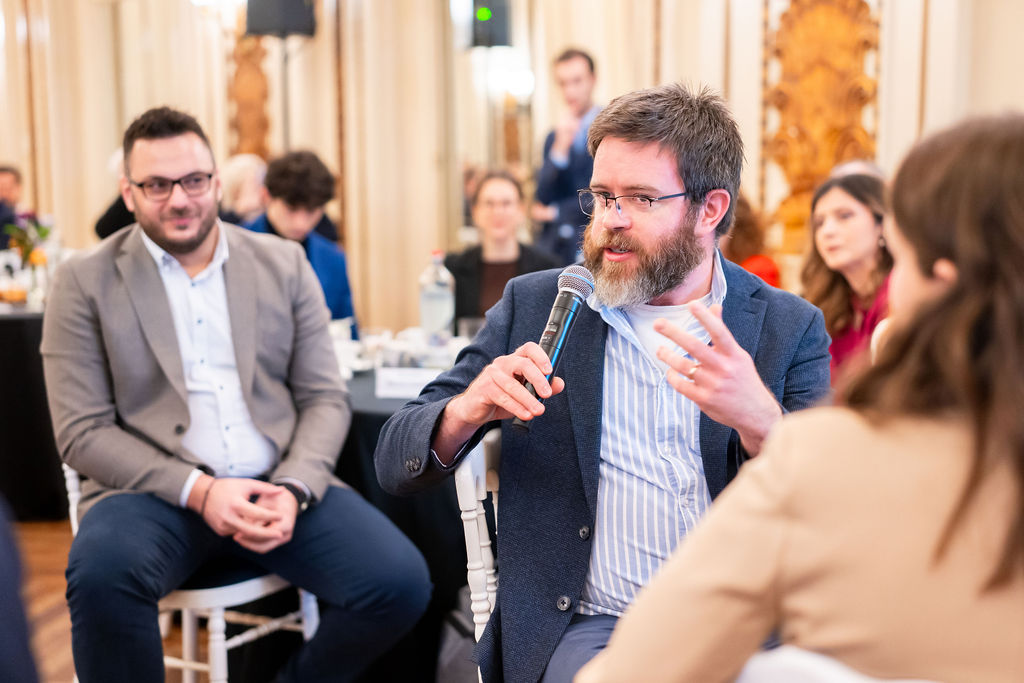
Ted McCormack
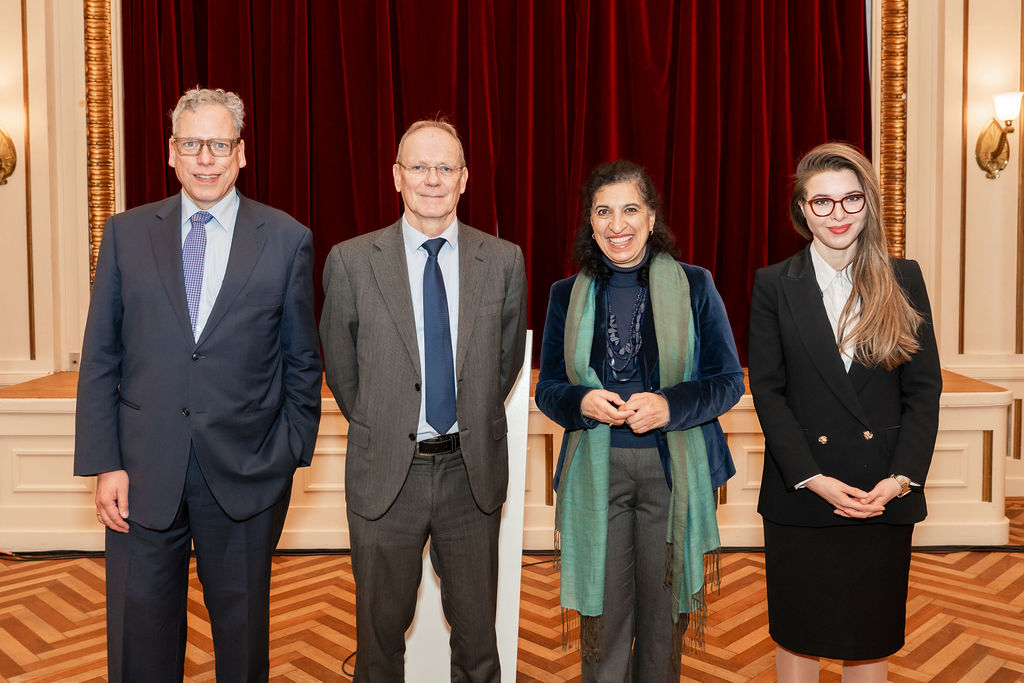
From left to right: Hugo Zunker, Pierre Potin, Roya Ayazi and Nina Małachowska
Pierre Potin, Head of the Copernicus Space Office at ESA, also participated in the discussion, bringing the perspective of the European Space Agency to the exchange on Copernicus and its applications.
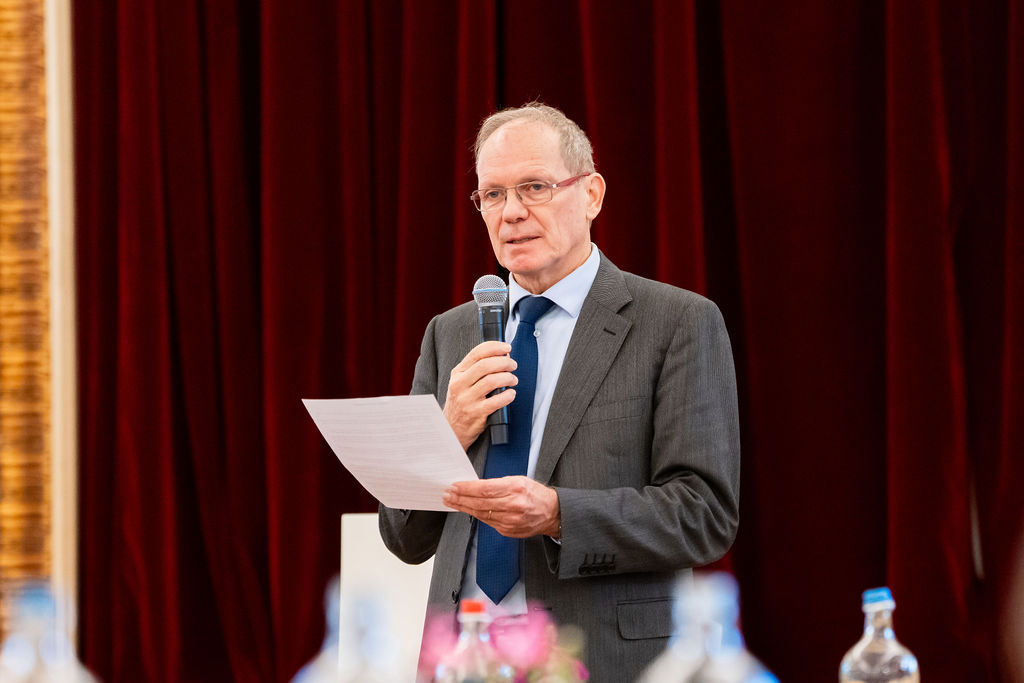
Pierre Potin
The debate was moderated by Nina Małachowska, Director of the Mazovia Regional Office in Brussels, facilitating exchanges between institutional representatives, Copernicus users and participants.
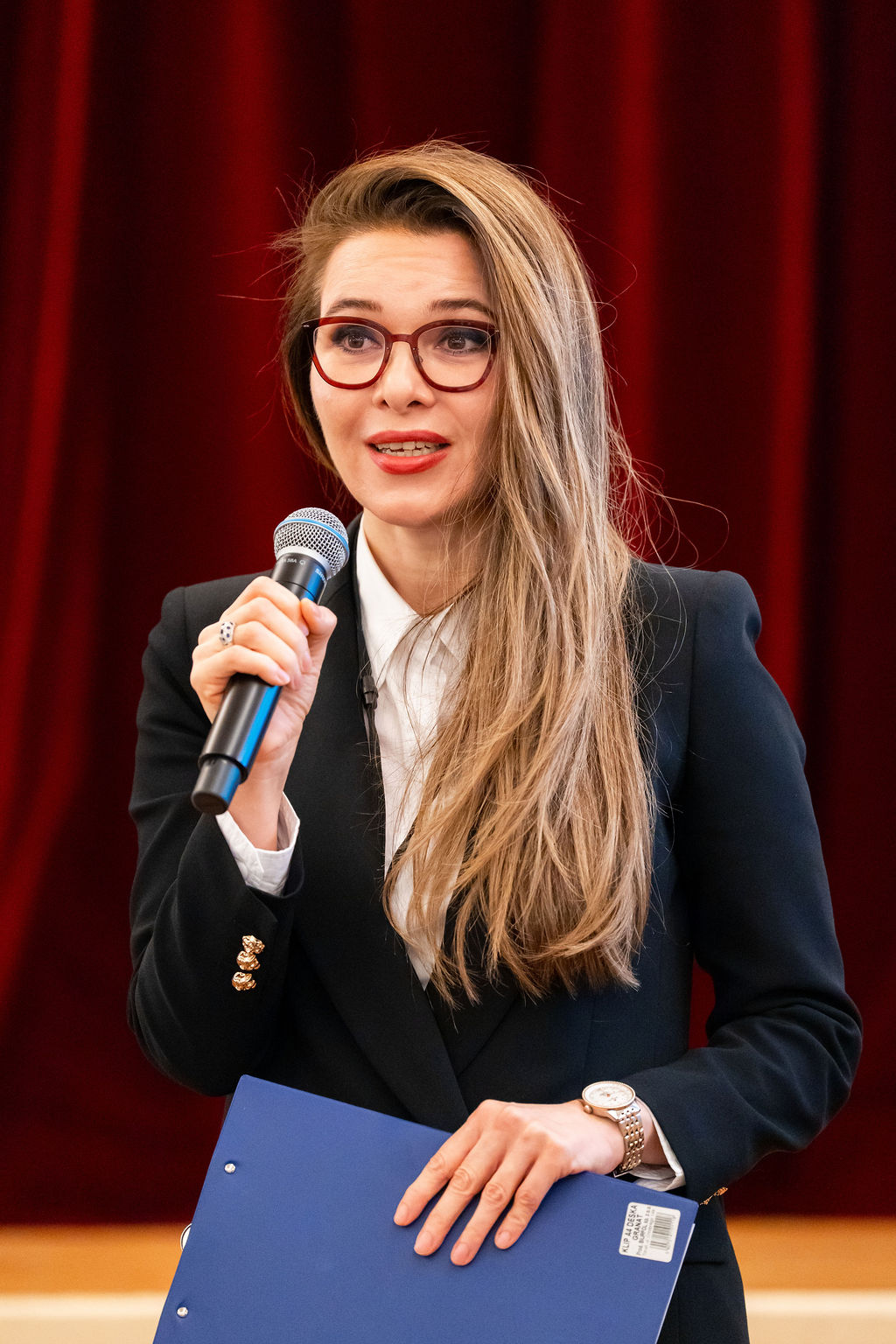
Nina Małachowska
The event demonstrated the importance of bringing together European policymakers and regional users to ensure that the future development of Copernicus remains closely connected to real public-sector needs. By highlighting concrete applications and the challenges still faced by users, the exchange contributed to the wider discussion on the programme’s societal value, long-term sustainability and relevance for the next MFF. The Copernicus4Regions initiative will continue to promote regional user experiences, encourage greater uptake of satellite-based services by public administrations and strengthen dialogue between European institutions and regional stakeholders.